






-
Reconfigurable photonic integrated circuits (PICs)1–5 are at the forefront of next-generation optical information processing, offering dynamic control over light propagation, filtering6,7, and switching within chip-scale platforms8,9. Among the various modulation schemes, thermo-optic (TO) tuning10–14 has garnered significant attention owing to its broadband compatibility, low insertion loss, and ease of integration with complementary metal-oxide-semiconductor (CMOS) processes. In particular, micro-ring resonators (MRRs), characterised by their compact footprint and high-quality factor15, serve as fundamental building blocks for TO modulators, enabling applications in optical communications16, wavelength division multiplexing17, sensing18, and signal processing19.
Polymer MRRs have been widely explored for TO tuning because of their straightforward fabrication20, large TO coefficients21,22, and mechanical flexibility23. However, their performance is fundamentally constrained by the slow thermal response associated with the large heat capacity and low thermal conductivity of polymer waveguide materials, as well as inefficient heat dissipation mechanisms. Consequently, conventional polymer TO modulators typically exhibit sub-kHz switching speeds24, low tuning efficiency25, and significant performance drift under ambient temperature fluctuation26, which hinder their deployment in high-speed or thermally dynamic environments.
To address these bottlenecks, numerous studies have explored enhancing photothermal modulation via the integration of functional nanomaterials and geometric optimisation of photonic devices. Incorporating low-dimensional materials or metallic nanostructures has led to improvements in TO sensitivity and switching dynamics27–29. Nevertheless, these strategies predominantly operate within a one-dimensional (1D) thermal modulation framework, in which optical excitation is applied either laterally along the waveguide or vertically across the substrate. Such geometrically constrained heating paths limit the spatiotemporal control of the thermal field, often resulting in inefficient energy utilisation and a suboptimal modulation response. In addition to material constraints, the inherently planar design of conventional on-chip architectures further limits the spatial degrees of freedom for photothermal excitation. By contrast, fibre-integrated microcavity platforms provide superior optical confinement and more localised pump delivery by leveraging the dimensional flexibility of the fibre end-face coupling. This configuration enables both on-chip pumping and efficient pump delivery via fibre, providing a thermally favourable setup for enhanced photothermal modulation.
Furthermore, functional coatings employed in prior studies predominantly lack the nanoscale structural precision and uniform optical-thermal coupling required for highly localised, fast, and efficient modulation. The thermal diffusion volumes and interfacial coupling remain insufficiently controlled at the subwavelength scale, which hinders further enhancements in speed, power consumption, and integration flexibility. These limitations highlight the need for alternative material platforms that are capable of enabling multidimensional and finely tuneable photothermal interactions within on-chip photonic architectures.
Quantum dots (QDs) have recently gained traction as a versatile class of nanomaterials for photonic integration, offering strong broadband light absorption, size-tuneable optoelectronic properties, and solution-processable compatibility with diverse substrates30. Their unique optoelectronic characteristics have enabled significant advances in integrated quantum photonic circuits31, metasurface and cavity-based light-matter interaction platforms32, and chip-scale light emitters and optoelectronic devices33. Beyond established roles in photonic emission and absorption processes, QDs also exhibit highly efficient photothermal conversion that rapidly transforms optical excitation into localized heat34–37. This nanoscale heat generation, amplified by the strong absorption cross-section and fast non-radiative relaxation of QDs, provides an effective mechanism for driving refractive-index modulation in adjacent polymer waveguides through their TO coefficient. As such, QDs offer strong yet underexplored potential for enabling active photothermal tuning in reconfigurable polymer photonic platforms.
The present study introduces a novel on-chip MRR system, precisely fabricated via advanced two-photon micro-printing, which fundamentally moves beyond conventional limitations by leveraging an Ag2Te QD film for transformative two-dimensional (2D) TO modulation. This cutting-edge three-dimensional (3D) additive manufacturing technique is pivotal because it enables direct, high-resolution fabrication of intricate MRR geometries and their seamless integration onto the fibre end, which is unachievable using traditional planar lithography. Through meticulous QD–polymer interfacial engineering, the Ag2Te QD film is precisely integrated within a pentaerythritol tetraacrylate (PETA)-based MRR structure, forming a truly hybrid photonic platform whose complex architecture is uniquely enabled by two-photon micro-printing. Crucially, we introduce an innovative 2D all-optical modulation strategy that employs one pump beam propagating along the MRR waveguide and a second beam perpendicular to the structure via the substrate. This synergistic approach, combined with the Ag2Te QD layer’s intrinsic localized surface plasmon resonance (LSPR) that enhances local optical field intensity by an excellent 300%, yields unprecedented performance. Experimental results demonstrate a remarkable 19.77-fold enhancement in tuning sensitivity (reaching −104 pm·mW−1) compared with the uncoated polymer MRR in conjunction with a 50-fold improvement in modulation speed that extends the dynamic response to 100 kHz. This response significantly exceeds the kHz-level performance of representative polymer TO modulators reported in the literature38. Furthermore, QD integration facilitated by the precision of two-photon micro-printing significantly improves the quality factor (Q-factor), extinction ratio, and mode confinement while reducing scattering via optimised interfacial phonon modulation. This study significantly expands the functional scope of QDs in integrated polymer photonics and pioneers a multidimensional, high-speed, and energy-efficient modulation strategy critical for future reconfigurable optical systems.
-
Fig. 1a illustrates the fabrication process for directly constructing polymer MRRs on optical fibre facets. The fibre cladding was first carefully stripped, and the facet was cleaned using anhydrous ethanol to ensure a smooth surface and strong adhesion of the photoresist. The prepared fibre was then vertically inserted into a droplet of PETA39 resin deposited on a glass substrate, followed by inverted laser writing.
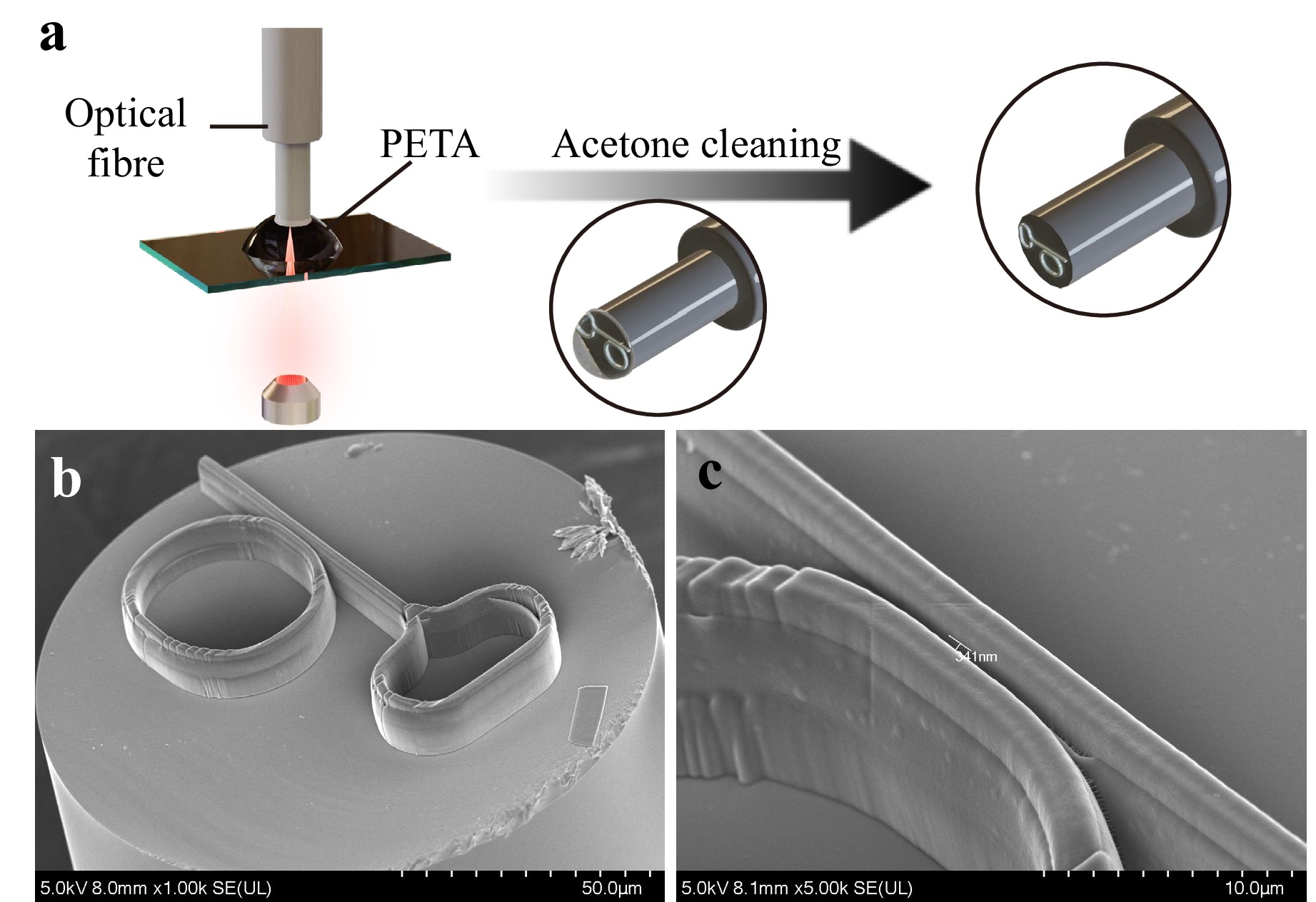
Fig. 1 a TPP printing of a PETA micro-ring on a fibre end. b SEM image of the printed MRR. c Zoomed-in view showing a 341 nm coupling gap.
The structure was fabricated via two-photon polymerisation (TPP)40,41, enabling submicron resolution. Under tightly focused femtosecond pulses, polymerisation occurred only at the focal point where two-photon absorption is simultaneously satisfied, confining the solidification to a nanoscale voxel. Precise 3D scanning of the focal spot across the fibre core region enabled direct writing of high-fidelity micro-ring structures onto the facet with excellent spatial accuracy.
After printing, the fibre facet was immersed in acetone for approximately 1 min to remove uncured resin, leaving only the fully polymerised resonator. Fig. 1b presents an SEM image of the fabricated MRR, showing smooth surfaces and well-defined boundaries. A magnified view of the coupling region (Fig. 1c) reveals a gap of 341 nm, which closely aligns with the designed 300 nm, thereby confirming the high precision and structural fidelity achievable with TPP on fibre-based platforms. The finite-difference time-domain (FDTD) simulations reported in the Supplementary Information (Fig. S1) further indicate that this small deviation exerts a negligible impact on the resonance characteristics.
Fig. 2a outlines the key fabrication steps involved in integrating Ag2Te QDs onto the entire MRR structure via a controlled spray-coating process. Following the controlled spray-coating of Ag2Te QDs onto the MRR surface, comprehensive structural and optical characterisations were performed to assess the quality and uniformity of the QD layer. The SEM image in Fig. 2b confirms successful attachment of the QDs to the device surface, effectively filling small cracks and grooves, which enhanced the surface smoothness. The magnified view in Fig. 2c further illustrates this effect, demonstrating how the QD coating smooths surface irregularities, thereby improving uniformity. Additional atomic force microscopy (AFM) measurements of the QD-coated surface revealed a root-mean-square roughness (Ra) of approximately 0.652 nm, further demonstrating the smoothness and uniformity of the QD layer. An AFM image of the QD-coated surface is provided in the Supplementary Information (Fig. S2). These observations indicate that the spray-coating process successfully provides uniform coverage, which is crucial for the enhanced optical modulation performance of the device.
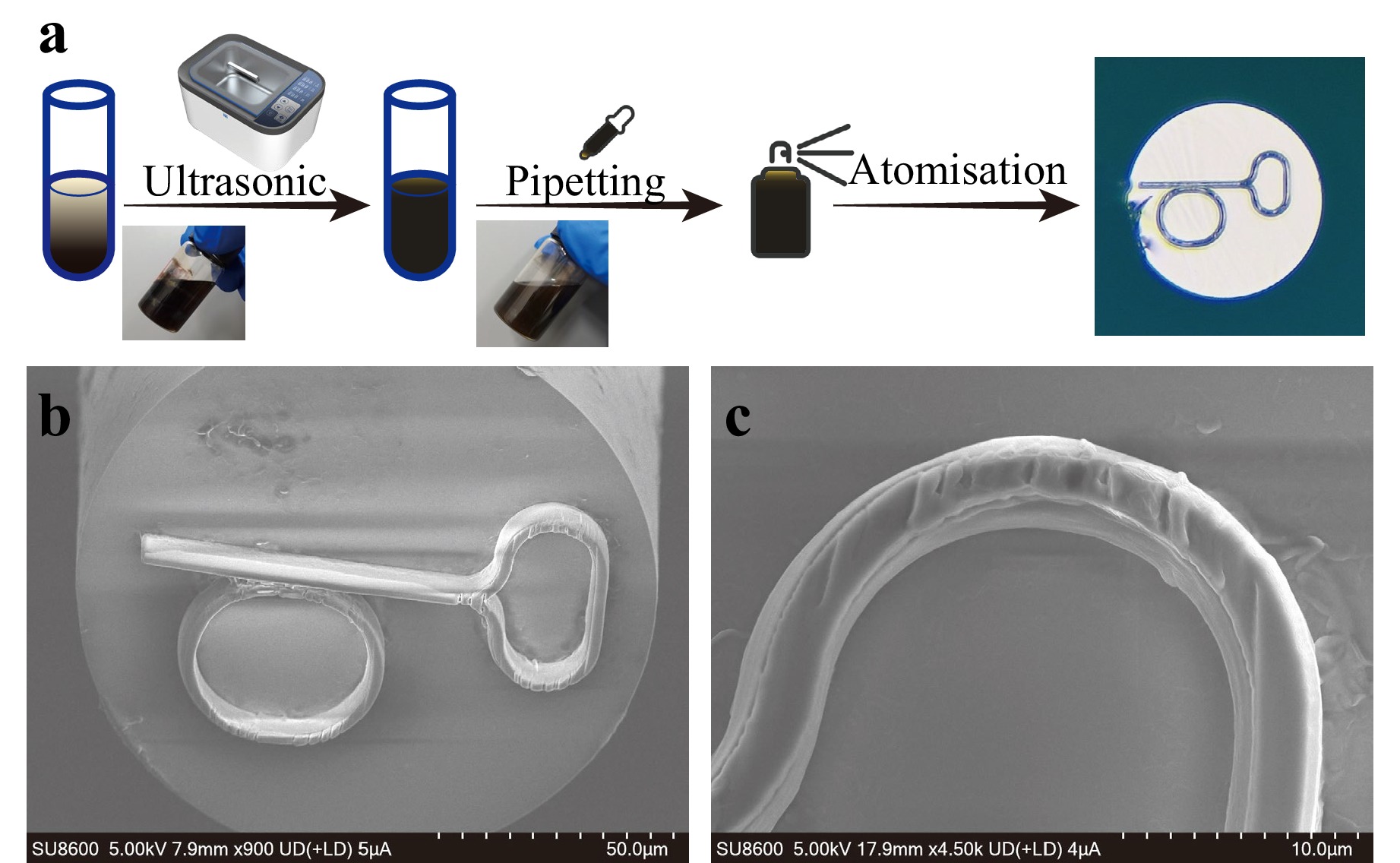
Fig. 2 a Fabrication of Ag2Te QD film via spray-coating. b SEM image of the QD-coated MRR surface. c Zoomed-in view of the QD-coated surface.
As shown in Fig. 3a, the X-ray diffraction (XRD) pattern of the Ag2Te QDs closely aligns with the standard cubic phase of Ag2Te (PDF No. 81-1920), with no detectable impurity peaks, confirming the high phase purity and crystalline quality of the synthesised QDs. This structural integrity ensures consistent optical absorption and thermal properties throughout the QD film.
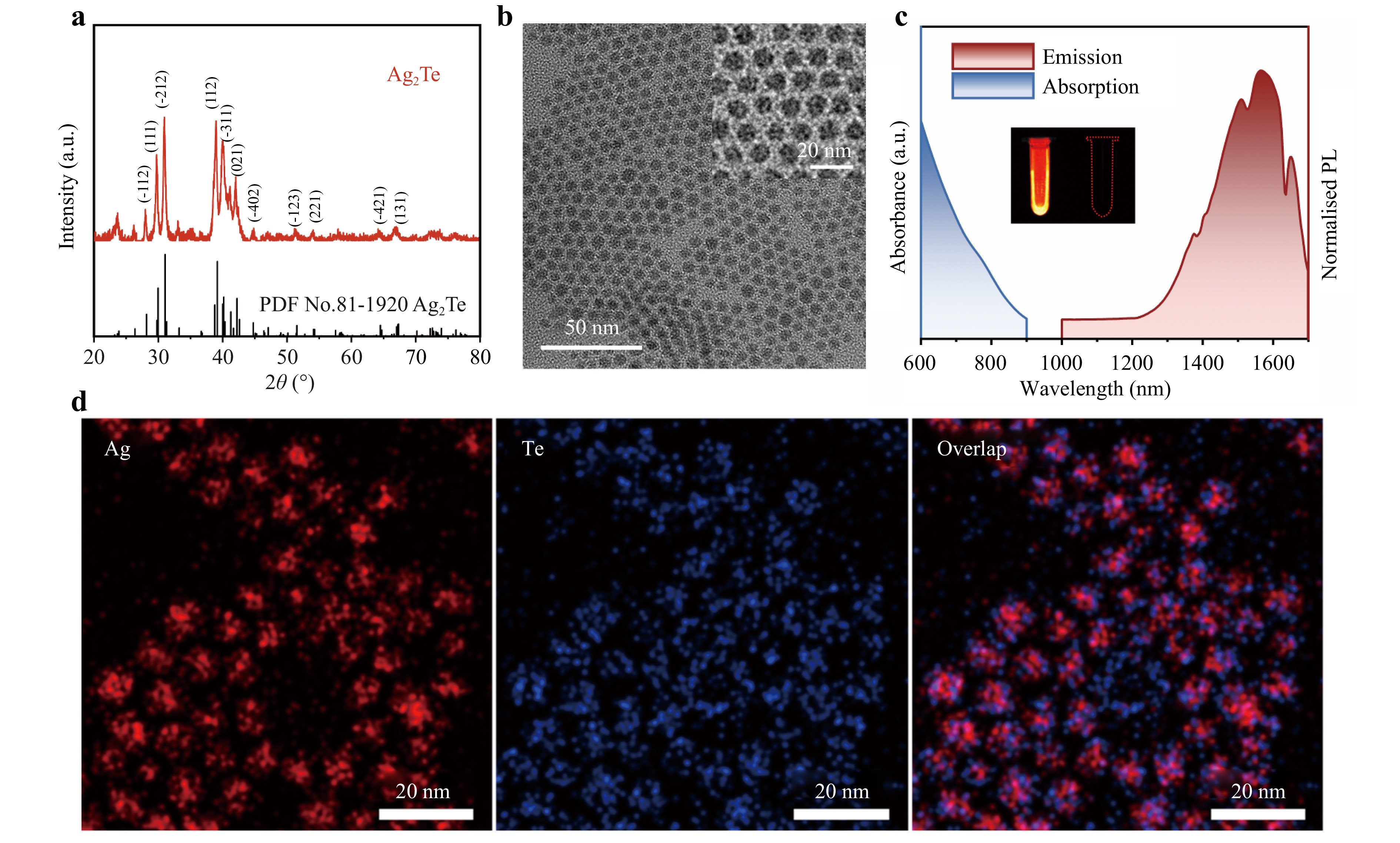
Fig. 3 a XRD pattern. b TEM image with lattice fringes. c Absorption and PL spectra. d EDS elemental mapping of Ag and Te.
Transmission electron microscopy (TEM) analysis (Fig. 3b) revealed that the Ag2Te QDs are uniformly dispersed without prominent aggregation, exhibiting a narrow size distribution with an average diameter of 5.1 ± 0.7 nm. The good morphological uniformity of the QDs is beneficial for achieving relatively uniform surface coverage when deposited onto the curved MRR structure via spray-coating. The corresponding particle size distribution histogram is provided in the Supporting Information (Fig. S3).
The optical properties of the QDs were assessed by UV-VIS-NIR absorption and photoluminescence (PL) spectroscopy (Fig. 3c). The absorption profile spans the visible to near-infrared range and exhibits PL emission peaks at 1560 nm. This NIR-II emission overlaps favourably with the operating wavelength of the MRR (1550 nm), supporting efficient pump-probe energy transfer. For NIR-II fluorescence imaging, the Ag2Te QDs were excited using an 808 nm laser, as illustrated by the bright luminescence shown in the inset, highlighting their strong optical activity and suitability for photothermal conversion.
To further confirm the chemical composition and elemental uniformity of the synthesised Ag2Te QDs prior to integration, energy-dispersive X-ray spectroscopy (EDS) mapping was conducted on a drop-cast Ag2Te QD film (Fig. 3d). The elemental maps of Ag and Te exhibit strong co-localisation and homogeneous spatial distribution across the sample. These results confirm the chemical homogeneity and nanoscale compositional uniformity of the QDs, which are essential for achieving consistent photothermal performance when incorporated into photonic devices.
Collectively, these structural and optical characterisations confirmed the successful synthesis and uniform deposition of high-quality Ag2Te QDs on the MRR surface. The crystalline structure, broadband NIR-II response, and uniform distribution of the material collectively provide a robust foundation for efficient and reproducible TO modulation in hybrid QD-polymer photonic devices.
-
The integration of the Ag2Te QD film yielded a substantial improvement in the static optical characteristics of the MRR, which was attributed to the combined effects of refractive index modulation, near-field confinement, and scattering suppression. Fig. 4a presents a schematic of the QD-coated MRR, where the entire PETA-based waveguide structure is uniformly coated with Ag2Te QDs. In addition to spectral measurements, FDTD simulations were performed to visualise the influence of Ag2Te QDs on local field enhancement. As illustrated in Fig. 4b, the spatial distribution of the normalised electric field intensity ratio, $ {\left| {E}_{\text{coated}}\right| }^{2}/{\left| {E}_{\text{bare}}\right| }^{2} $, revealed a pronounced localised enhancement in the region corresponding to the main micro-ring waveguide. In particular, the field intensity ratio reached a peak value of approximately 3 at the waveguide-QD interface while remaining close to unity in most other regions of the cavity. The enhancement was mainly concentrated in the vicinity of the waveguide-QD interface, indicating strong near-field confinement and elevated energy density. This field enhancement is partly attributed to the plasmon-assisted effects from the Ag2Te QDs, which exhibit mild LSPR behaviour under optical excitation. These effects, in combination with surface smoothing and refractive modulation, enhance the optical circulation efficiency within the cavity.
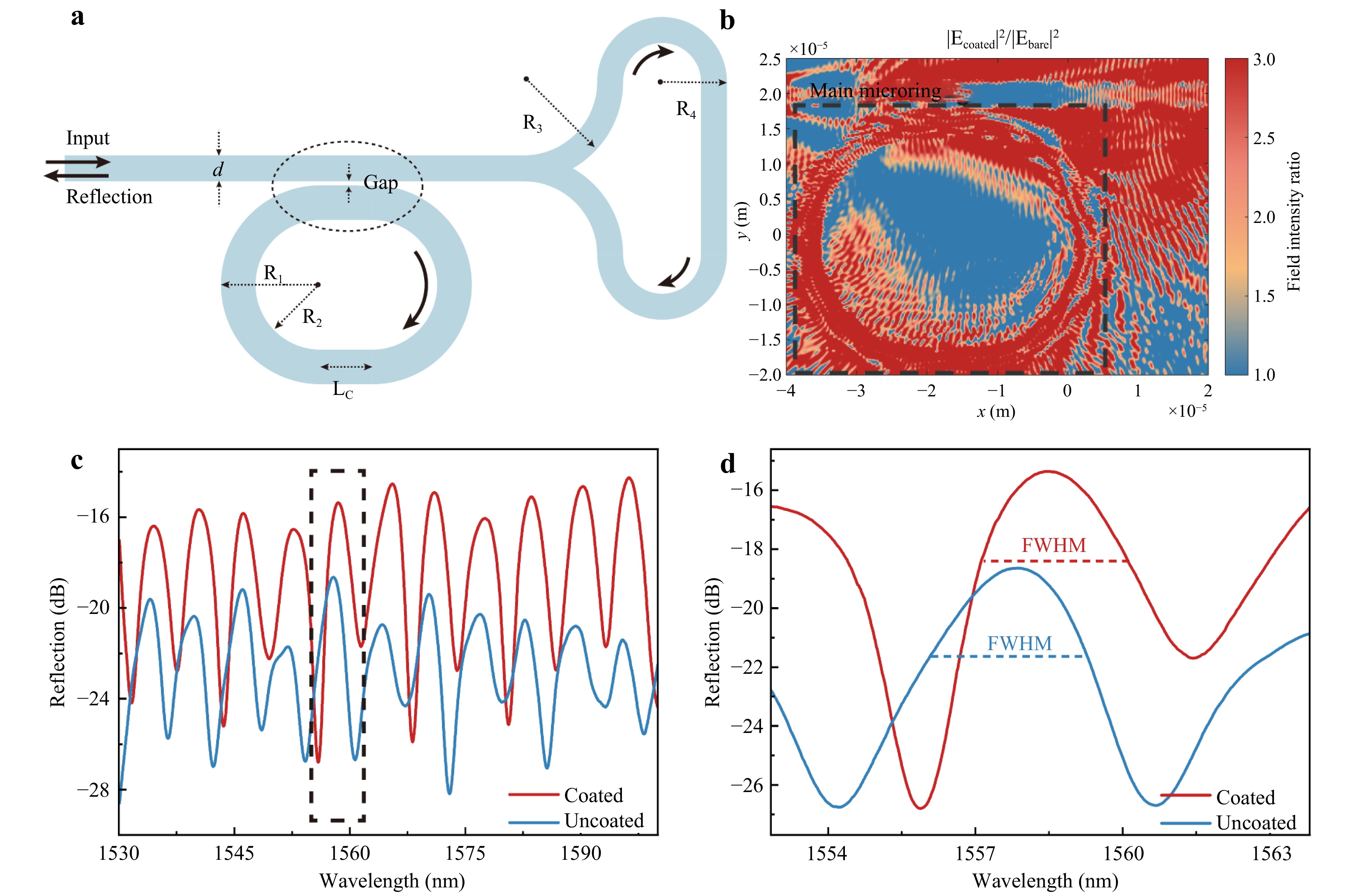
Fig. 4 a Schematic of the MRR. b FDTD simulation showing the spatial distribution of electric field intensity enhancement factor $ \left(\mid {E}_{\text{coated}}{\mid }^{2}/\mid {E}_{\text{bare}}{\mid }^{2}\right) $, with the main micro-ring region highlighted. c Reflection spectra before and after QD integration, revealing increased resonance depth. d FWHM comparison at $ {\lambda }_{0}\approx 1558~\text{nm} $, indicating improved quality factor after coating.
As shown in Fig. 4c, the broadband reflection spectrum reveals a substantial increase in the reflection depth across multiple resonance dips following QD integration. At 1558 nm, the resonance depth improved from 7.92 dB to 11.41 dB, indicating higher contrast and enhanced optical feedback efficiency. This enhancement originates from the QD-induced refractive index modulation and resulting modification of the guided mode boundary conditions. The high refractive index and nanoscale dimensions of the Ag2Te QDs alter the modal distribution and optical confinement at the waveguide surface, thereby influencing the balance between intrinsic cavity loss and external coupling. Simulated fundamental mode profiles before and after QD coating at 1558 nm are provided in the Supplementary Information (Fig. S4), confirming the QD-induced redistribution of the guided mode. In addition, the conformal QD layer can suppress surface-related scattering losses, jointly contributing to the observed improvement in the resonance contrast.
In addition to the improvement in reflection amplitude, a marginal redshift of the resonance wavelength was observed, which is attributed to an increased effective refractive index $ {n}_{\text{eff}} $ owing to the high polarisability of the QD layer. The resonance condition is expressed as
$$ \lambda =\frac{{n}_{\text{eff}}L}{m} $$ (1) where $ \lambda $ denotes the resonance wavelength, $ L $ is the cavity length, and $ m $ represents the resonance mode number. According to this condition, the observed spectral shift confirms perturbative modification of the optical path length via surface coating.
Furthermore, the Q-factor is defined as the ratio of the stored optical energy to the energy dissipated per cycle and serves as a critical parameter for assessing MRR performance. It is quantitatively expressed as follows
$$ Q=\frac{\lambda }{\Delta {\lambda }_{\text{FWHM}}} $$ (2) where $ {\Delta \lambda }_{\text{FWHM}} $ represents the full width at half-maximum (FWHM) of the resonance in the reflection spectrum. As shown in Fig. 4d, at $ \lambda \approx 1558\;{\rm{nm}} $ under zero-pump conditions, the application of the QD film narrows the resonance width from 3.24 nm to 2.94 nm, increasing the Q-factor from 480.86 to 530.09, corresponding to an approximate 10.24% enhancement. This change reflects a modest reduction in the effective optical loss associated with QD-induced modification of the modal boundary conditions.
Collectively, these improvements underscore the pivotal role of plasmonic QD films in strengthening light-matter interactions, minimising optical losses, and enabling high-coherence operation within compact photonic architectures. This synergistic effect highlights the potential of QD-based nanocomposites as versatile building blocks for reconfigurable, high-performance on-chip photonic systems.
Building upon these static performance gains, the following sections demonstrate that QD integration also significantly enhances the TO tuning sensitivity under optical pumping, enabling more efficient dynamic modulation under reduced excitation power.
-
This study systematically investigated the pump-probe modulation response of a QD-coated MRR under 2D optical control using an integrated micro-ring photonic circuit. The experimental architecture is illustrated in Fig. 5a. A broadband source (BBS, 1525–1600 nm) was employed as the primary probe light, whereas a 980 nm continuous-wave laser served as the excitation pump. The BBS was launched into Port 1 of an optical circulator (OC) and combined with the first 980 nm pump branch via a 1 × 2 fibre coupler. The collimated beam was then edge-coupled into the MRR using a 60° fibre lens, aligned parallel to the in-plane waveguide. The reflected signal exited through Port 2 of the OC and was analysed using an optical spectrum analyser (OSA).
For clarity, the direction along the MRR waveguide, which is parallel to the fibre end surface, is defined as the x-axis. The axis perpendicular to the MRR waveguide, i.e., normal to the fibre end surface, is designated as the y-axis. 1D modulation refers to optical pumping applied individually along either the x- or y-axis, whereas 2D modulation involves simultaneous excitation along both directions.
To enable 2D all-optical modulation, a second pump beam branch was delivered perpendicularly through the substrate via a multimode fibre (MMF). As illustrated in Fig. 5b, the system supports switching between 1D and 2D modulation modes by selectively disconnecting the optical path at position X. The 60° fibre lens was mounted on a precision translation stage to ensure accurate alignment with the x-axis excitation path. This dual-axis pumping strategy utilises spatially separated optical channels, enabling the decoupled and efficient control of the photonic device along orthogonal axes. Furthermore, the system is inherently compatible with wavelength-division-multiplexing (WDM)-free operation.
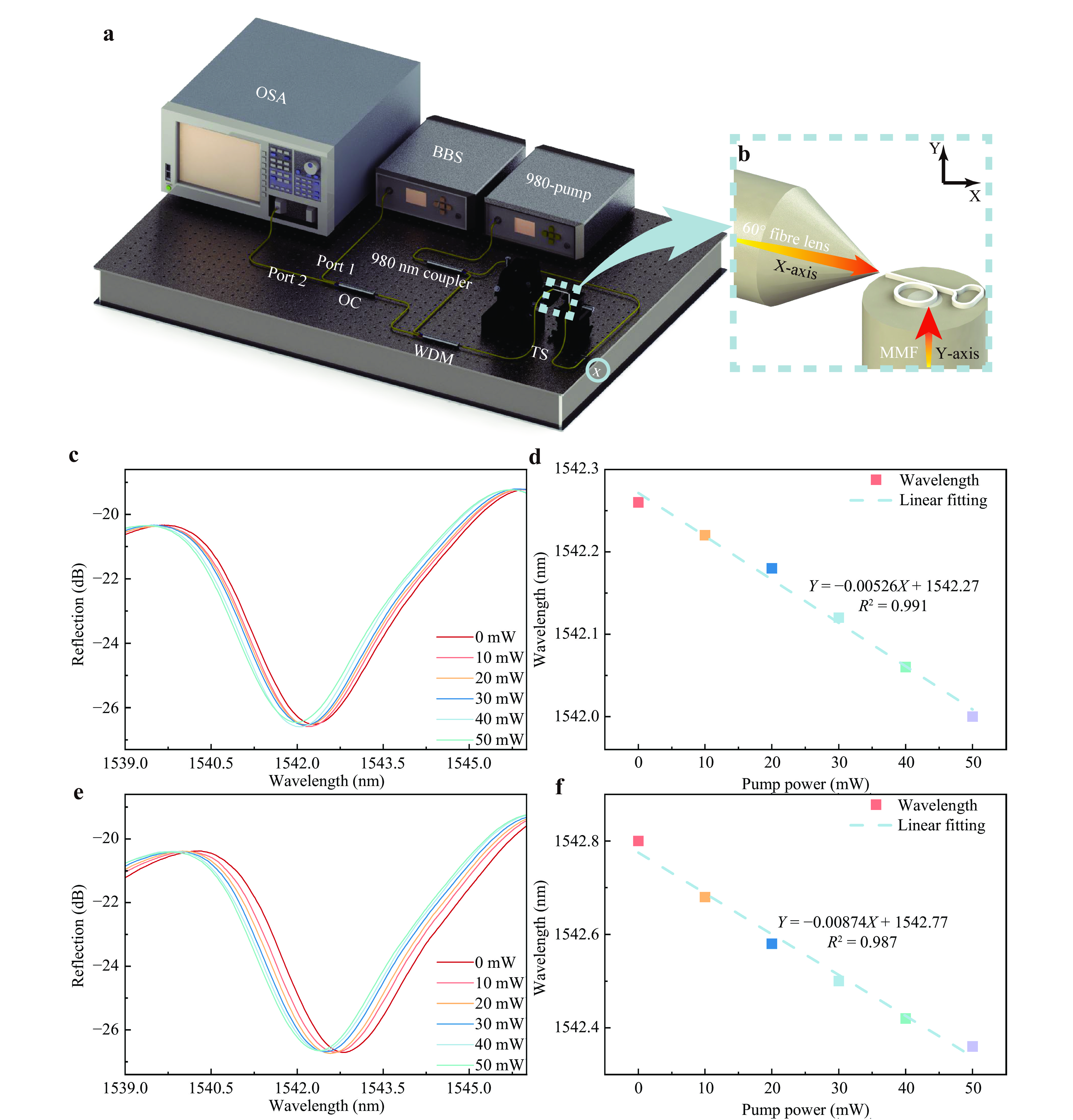
Fig. 5 a Schematic of the optical measurement setup. b Enlarged view showing the 2D pumping configuration with one pump light along the MRR waveguide and the other perpendicular to the MRR waveguide via the substrate. c, d Reflection spectra and linear fitting of resonance shift under x-axis (1D) pumping for the uncoated MRR (without QDs). e, f Reflection spectra and linear fitting under combined x- and y-axis (2D) pumping for the uncoated MRR (without QDs).
Baseline measurements were conducted employing uncoated PETA-based MRR under both 1D and 2D pumping schemes. As shown in Fig. 5c, increasing the 980 nm pump power from 0 to 50 mW under x-axis-only pumping (1D) resulted in a resonance blueshift of 0.2 nm, corresponding to a tuning sensitivity of –5.26 pm·mW−1, with a linearity of R2 = 0.951 (Fig. 5d). Under combined x- and y-axis (2D) pumping for the uncoated MRR (Fig. 5e), the resonance shifts marginally increased to 0.42 nm, with a linearity of R2 = 0.987 (Fig. 5f), corresponding to an improved tuning sensitivity of −8.74 pm·mW−1.
The observed resonance shifts in the uncoated MRR originate primarily from the intrinsic TO effect of the polymeric waveguide. As PETA exhibits a negative TO coefficient $ (dn/dT< 0) $, its refractive index decreases with increasing temperature. This temperature-induced reduction in $ {n}_{\text{eff}} $ shortens the optical path length of the cavity, producing a blueshift in the resonance wavelength under optical pumping. The resonance condition is governed by Eq. 1, and the subsequent analysis quantifies the temperature-dependent variations in refractive index and effective cavity length. Under 980 nm continuous-wave excitation, weak absorption in the PETA waveguide leads to localised heating. The volumetric heat power density can be expressed as
$$ {Q}_{\text{gen}}={\alpha }_{\text{WG}}\cdot{I}_{\text{pump}}={\alpha }_{\text{WG}}\cdot \left(\frac{{P}_{\parallel }}{{A}_{\parallel }}+\frac{{P}_{\bot }}{{A}_{\bot }}\right) $$ (3) where $ {I}_{\text{pump}} $ is the total pump intensity and $ {\alpha }_{\text{WG}} $ is the absorption coefficient of the PETA. $ {P}_{\parallel } $ and $ {P}_{\bot } $ are the pump power in the x- and y-axes, respectively, and $ {A}_{\parallel } $ and $ {A}_{\bot } $ represent the corresponding optical mode areas.
The resulting increase in temperature induces both a refractive index variation via the TO effect and physical expansion of the polymeric waveguide. A detailed derivation of the steady-state heat conduction, average increase in temperature, and associated TO-induced refractive index modulation is provided in the Supplementary Information (S5–S7).
By jointly considering the TO-induced refractive index change and thermally induced expansion of the micro-ring cavity, the total resonant wavelength shift can be expressed as
$$ \Delta \lambda =\lambda \cdot \left(\frac{\gamma }{{n}_{\text{eff}}}\cdot \frac{d{n}_{\text{eff}}}{dT}+{\alpha }_{\text{eff}}\right)\cdot \left(\frac{{\alpha }_{\text{WG}}\cdot V}{{h}_{\text{eff}}}\right)\cdot \left(\frac{{P}_{\parallel }}{{A}_{\parallel }}+\frac{{P}_{\bot }}{{A}_{\bot }}\right) $$ (4) where $ \gamma $ is the overlap factor between the guided optical mode and thermally perturbed region, $ {n}_{\text{eff}} $ is the effective refractive index of the guided mode, $ {\alpha }_{\text{eff}} $ denotes the effective thermal expansion coefficient of the polymer waveguide, $ V $ represents the effective heated volume, and $ {h}_{\text{eff}} $ is the equivalent heat dissipation coefficient. For the uncoated MRR, the relatively small absorption coefficient $ {\alpha }_{\text{WG}} $ and large heat dissipation coefficient $ {h}_{\text{eff}} $ limit the achievable modulation efficiency. Although 2D pumping increases the effective heating volume $ V $, the overall enhancement in tuning efficiency remains modest owing to the intrinsic material limitations of the polymer waveguide.
Upon integration of the Ag2Te QD film, the MRR exhibited a significantly enhanced photothermal tuning response owing to improved light absorption and heat conversion efficiency. Notably, although the QD layer significantly enhanced the optical absorption and local heating, the guided optical mode remained primarily confined within the PETA core. Because PETA exhibits a negative TO coefficient, the temperature-induced reduction in the core refractive index continues to dominate the effective index variation of the hybrid waveguide. Consequently, the resonance wavelength still exhibits a blueshift under pump illumination after QD coating. As shown in Fig. 6a, under 1D modulation with optical pumping along the x-axis, the resonance wavelength blueshifts by 2.04 nm, corresponding to a tuning sensitivity of −81.7 pm·mW−1. This response exhibits a high degree of linearity with a correlation coefficient of R2 = 0.995 (Fig. 6b). This value represents a 15.53 fold improvement in sensitivity compared with that of the uncoated device.
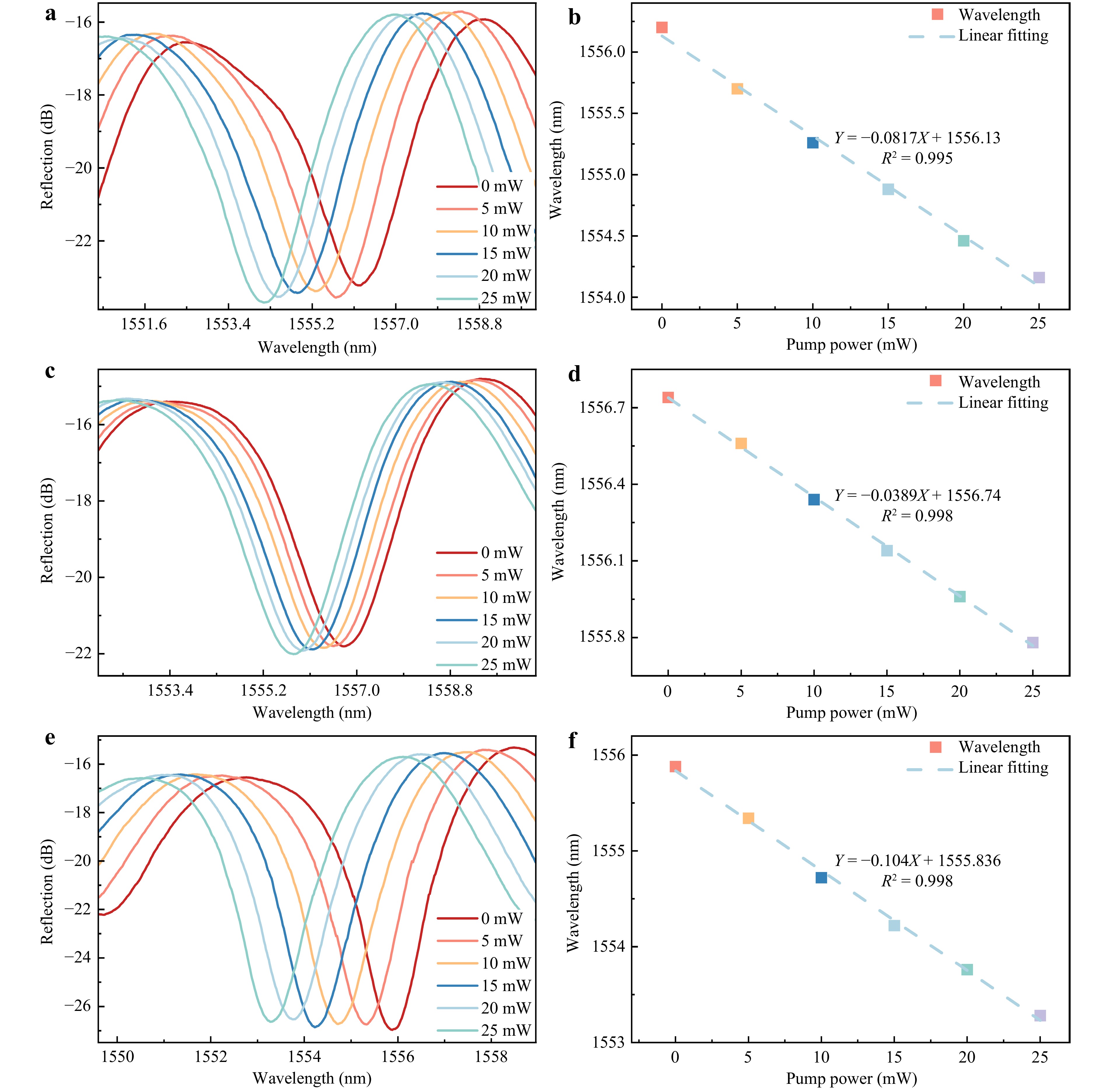
Fig. 6 a, b Reflection spectra and linear fitting of resonance shift under x-axis excitation. c, d Corresponding spectral evolution and linear regression under y-axis pumping. e, f Enhanced resonance shift and linearity achieved under combined x- and y-axis (2D) optical pumping.
When the pump light is applied along the y-axis, the resonant wavelength shifts by 0.96 nm (Fig. 6c), resulting in a tuning sensitivity of −38.9 pm·mW−1 and excellent linearity (R2 = 0.998, Fig. 6d). Under 2D modulation—simultaneous excitation along both the x- and y-axes—the resonance shift increases further to 2.60 nm (Fig. 6e), corresponding to an improved tuning sensitivity of –104 pm·mW−1 with sustained linearity (R2 = 0.998, Fig. 6f).
This significant improvement results from the synergistic enhancement of light-matter interaction and photothermal conversion within the Ag2Te QD layer. Photothermal conversion enabled by rapid non-radiative relaxation constitutes the dominant mechanism for TO modulation, whereas enhanced light-matter interaction primarily increases the effective optical absorption. The QD film exhibits efficient photon absorption via interband transitions and LSPR, which enhances the local optical field and increases the absorption cross-section. The effective absorption cross-section is expressed as
$$ {\sigma }_{\text{eff}}\left({\omega }_{\mathrm{p}}\right){\sigma }_{\text{QD}}\cdot {G}_{\text{plasmon}} $$ (5) where $ {\sigma }_{\text{QD}} $ is the intrinsic absorption cross-section of the QDs, and $ {G}_{\text{plasmon}}={\left| {{E}_{\text{local}}\left({\omega }_{\mathrm{p}}\right)}/{{E}_{0}\left({\omega }_{\mathrm{p}}\right)}\right| }^{2} $ represents the field enhancement factor attributed to plasmonic resonance, where $ {E}_{\text{local}}\left({\omega }_{\mathrm{p}}\right) $ and $ {E}_{0}\left({\omega }_{\mathrm{p}}\right) $ are the localised and incident electric field intensities, respectively. This mechanism amplifies absorption by a factor of $ {G}_{\text{plasmon}} $. Rapid non-radiative carrier relaxation (lifetime $ {\tau }_{\text{NR}} $) results in localised heat generation
$${P}_{\mathrm{heat},\text{QD}}={\eta }_{\text{NR}}\cdot {\eta }_{\text{mig}}\cdot \left(\mathrm{\hslash }{\omega }_{\mathrm{p}}/{\tau }_{\text{NR}}\right) $$ (6) where $ {\eta }_{\text{NR}}\approx 1 $ denotes the non-radiative efficiency, $ {\eta }_{\text{mig}} $ is the thermal migration efficiency, and $ \mathrm{\hslash }{\omega }_{\mathrm{p}} $ is the excitation photon energy. The resulting volumetric heat power density is expressed as
$$ {Q}_{\text{gen}}{N}_{\text{QD}}\cdot {\sigma }_{\text{eff}}\cdot \left(\frac{{P}_{\parallel }}{{A}_{\parallel }}+\frac{{P}_{\bot }}{{A}_{\bot }}\right)\cdot {\eta }_{\text{eff}}$$ (7) where $ {N}_{\text{QD}} $ is the QD areal density, and $ {\eta }_{\text{eff}}={\eta }_{\text{NR}}\cdot {\eta }_{\text{mig}} $ denotes the total energy conversion efficiency. Consequently, the resonant wavelength shift $ \Delta {\lambda }_{\text{QD}} $ can be expressed as
$$ \begin{split}\Delta {\lambda }_{\text{QD}}=\;&{\lambda }_{\text{QD}}\cdot \left(\frac{\mathit{\Gamma }}{{{{n}'_{\text{eff}}}}}\cdot \frac{d{{{n}'_{\text{eff}}}}}{dT}+{{{\alpha }'_{\text{eff}}}}\right)\cdot \\&\frac{{N}_{\text{QD}}\cdot {\sigma }_{\text{QD}}\cdot {G}_{\text{plasmon}}\cdot {\eta }_{\text{eff}}\cdot V}{{h}_{\text{eff}}}\left(\frac{{P}_{\parallel }}{{A}_{\parallel }}+\frac{{P}_{\bot }}{{A}_{\bot }}\right)\end{split} $$ (8) where $ {\lambda }_{\text{QD}} $ is the resonance wavelength of the MRR after being coated with Ag2Te QDs, and $ {\alpha '_{\text{eff}}} $ represents the effective thermal expansion coefficient of the Ag2Te QD-coated structure, which incorporates the modified thermo-mechanical response of the hybrid waveguide. This model predicts that the 2D modulation response should approximate the sum of shifts obtained under individual x- and y-axis pumping. However, the experimental results exhibit a marginal but consistent sublinear response, indicating that interaction-related thermal effects, such as the partial overlap of temperature fields under dual-axis excitation, become non-negligible.
To incorporate this deviation from the ideal additive behaviour, the model is refined by introducing a thermal interaction correction factor, $ {\eta }_{\text{overlap}} $, which captures the reduction in effective temperature rise resulting from partial overlap of the thermal diffusion regions generated by the two pump beams
$$\Delta \lambda _{\text{res}}^{2\mathrm{D}}={\eta }_{\text{overlap}}\left(\Delta \lambda _{\text{res}}^{\parallel }+\Delta \lambda _{\text{res}}^{\bot }\right)$$ (9) where $ {\eta }_{\text{overlap}}< 1 $ represents the degree of thermal redundancy when both pump-induced heat sources share common dissipation pathways within the polymer waveguide and substrate.
In addition to thermal field overlap, secondary effects, such as nonlinearity in the TO coefficient at elevated temperatures and partial saturation of QD absorption, may further suppress the ideal additive response. To quantitatively evaluate the dominant contribution from thermal overlap, $ {\eta }_{\text{overlap}} $ was extracted employing a linear least-squares regression, where the experimentally measured 2D resonance shifts were fitted against the theoretical additive prediction $ \Delta {\lambda }_{\parallel }+\Delta {\lambda }_{\bot } $ over the full pump-power range shown in Fig. 6.
The fitting yielded $ {\eta }_{\text{overlap}}\approx 0.87 $, indicating that approximately 13% of the theoretical additive shift was suppressed under realistic 2D excitation conditions. This experimentally-derived correction factor provides a compact and physically motivated description of the interaction-induced deviation without introducing additional free parameters and highlights the importance of thermal coupling effects in 2D photothermal modulation.
Collectively, the experimental and theoretical results demonstrate that the enhanced tuning sensitivity stems from optimised photon-QD interactions enabled by spectral matching, local field amplification, and efficient heat generation, all facilitated by the Ag2Te QD film. Further enhancement can be achieved by engineering higher QD densities, more efficient plasmonic structures (to increase $ {G}_{\text{plasmon}} $), or reducing the thermal resistance (lower $ {h}_{\text{eff}} $). These findings provide a comprehensive design framework for developing high-sensitivity, dynamically-tuneable photonic devices and underscore the potential of functional QD-polymer hybrid materials in reconfigurable integrated optoelectronics.
-
To investigate the dynamic modulation behaviour of Ag2Te QD film-coated MRR, a single-wavelength laser with an output wavelength of 1552.22 nm was used as the probe signal. As illustrated in Fig. 7, the dynamic modulation system comprised a computer-controlled signal generator that drives an acoustic-optic modulator (AOM) to modulate a 980-nm pump laser, producing a square-wave optical excitation. The modulated pump light is routed through a fibre coupler and can be selectively delivered either along the MRR waveguide via a WDM for 1D modulation or simultaneously through an additional branch perpendicular to the substrate via an MMF for 2D modulation. The switching between 1D and 2D dynamic modulation is realised by connecting or disconnecting the secondary pump branch at position X, as indicated in Fig. 7, ensuring that both modulation schemes are implemented within the same optical architecture. The 1550 nm signal light is launched into the MRR via an OC and WDM. The reflected signal is measured in real-time using a high-speed oscilloscope after being detected using a photodetector (PD).
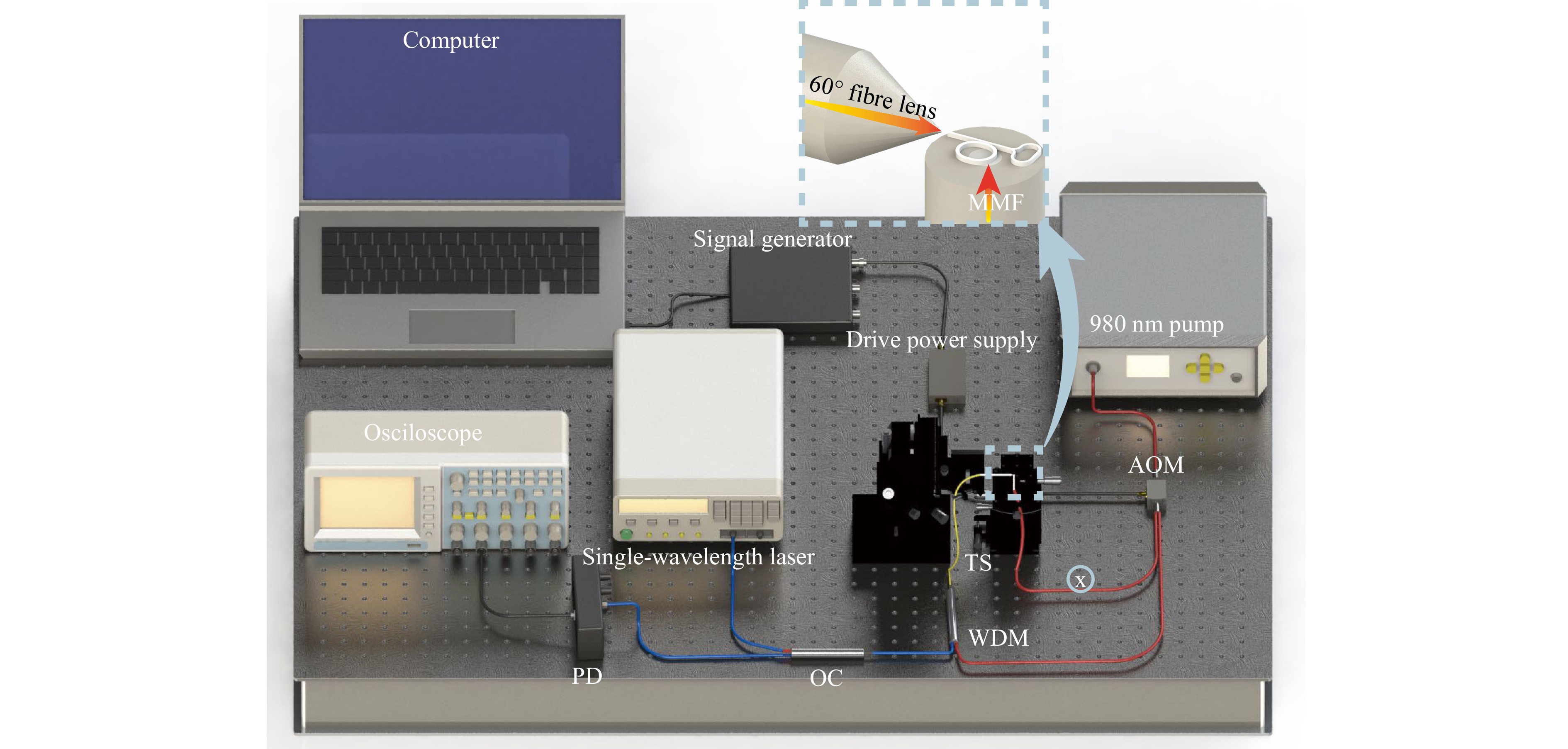
Fig. 7 Dynamic modulation system for switchable 1D and 2D modulation.
The dynamic modulation mechanism extends the static TO tuning model by introducing a time-varying pump power
$${P}_{\text{pump}}\left(t\right)=\Delta {P}_{0}+\Delta P\cdot square\left(2\pi ft\right) $$ (10) where $ f $ denotes the modulation frequency. Based on the resonant shift model given in Eq. 8, the temporal evolution of the resonant wavelength can be expressed as
$$ \Delta \lambda \left(t\right)\cdot square\left(2\pi ft+\phi \right) $$ (11) where the peak shift $ \Delta \lambda $ is determined by static parameters, including $ {N}_{\text{QD}} $, $ {\sigma }_{\text{eff}} $, and $ {h}_{\text{eff}} $. The phase delay $ \phi $, which is governed by thermal inertia, is given by $ \phi =\mathit{\arctan } \left(f/{f}_{\mathrm{c}}\right) $, $ {f}_{c}=1/\left(2\pi {\tau }_{\text{thermal}}\right) $. This dynamic behaviour is further validated by solving the time-dependent heat conduction equation
$$ \rho {C}_{\mathrm{p}}\partial T/\partial t=k{\nabla }^{2}T+{Q}_{\text{gen}}\left(t\right)$$ (12) The thermal response time is expressed as
$$ {\tau }_{\text{thermal}}=\rho {C}_{\mathrm{p}}V/\left({h}_{\text{eff}}{A}_{\text{cooling}}\right)$$ (13) where $ \rho {C}_{\mathrm{p}} $ is the thermal mass, $ V $ the heated volume, and $ {A}_{\text{cooling}} $ the cooling surface area. This relationship underscores the importance of minimising the thermal inertia and optimising the heat dissipation pathways to achieve high-speed modulation. As the spatial distribution of the absorbed pump power differs between the 1D and 2D excitation schemes, the effective heated volume $ V $ and cooling boundary area $ {A}_{\text{cooling}} $ are not the same in the two cases. Consequently, their thermal time constants $ {\tau }_{\text{thermal}} $ differ, leading to distinct phase delays and transient waveform shapes under dynamic modulation.
The experimental results across the frequency range of 200 Hz to 100 kHz are presented in Fig. 8a-d, where the 1D and 2D modulation traces consistently exhibit different waveform shapes and phase delays, in agreement with the above thermodynamic analysis. At 200 Hz (Fig. 8a), the output waveform closely follows the square-wave input, indicating operation within the quasi-static regime ($ {\tau }_{\text{thermal}}\ll T $) and full thermal tracking. The rise times, defined as the time required for the output to increase from 10% to 90% of the steady-state amplitude, were measured as 356 µs and 340 µs for 1D and 2D modulation, respectively. These values reflect the effective thermal response time of the device in the low-frequency regime. At 30 kHz (Fig. 8b), the output began to exhibit a smoothed, sinusoidal-like shape. This transition occurred because thermal cycles cannot fully settle within each modulation period at higher frequencies, leading to thermal inertia-dominated dynamics.
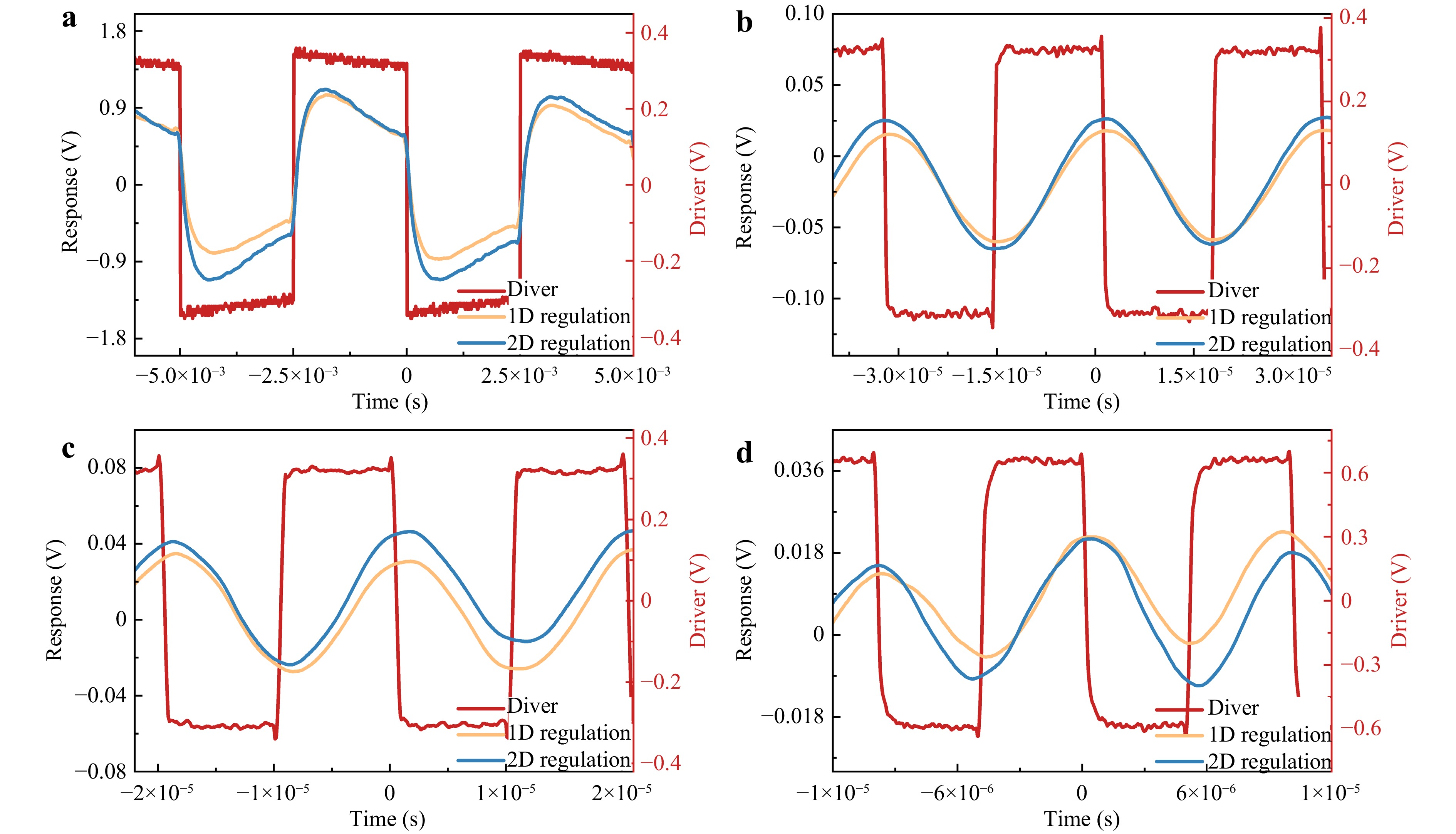
Fig. 8 Dynamic modulation characteristics of the Ag2Te QD-coated MRR under different modulation frequencies. A square driving voltage with 8 V amplitude was applied at modulation frequencies of a 200 Hz, b 30 kHz, c 50 kHz, and d 100 kHz.
At 50 kHz (Fig. 8c) and 100 kHz (Fig. 8d), the response became increasingly sinusoidal and exhibited a reduced amplitude, which is consistent with the thermal low-pass filter behaviour described by the dynamic model. The QD-coated MRR demonstrated robust and high-contrast modulation even at 100 kHz, indicating a response limit of 100 kHz—substantially surpassing the typical bandwidth of conventional polymer-based MRRs. This improvement is attributed to the rapid and localised photothermal response enabled by the Ag2Te QDs, which feature strong absorption and fast non-radiative relaxation.
In addition, the 2D optical control scheme consistently yielded a higher modulation amplitude than that of 1D pumping along the x-axis under identical conditions, particularly at high frequencies. This enhancement is attributed to the expanded excitation volume and improved heat distribution achieved via dual-axis inputs, which enables faster thermal accumulation and reduces the required pump power. For instance, at 100 kHz, x-axis 1D modulation requires 10.68 mW of pump power to maintain the desired modulation amplitude, while the same modulation depth can be achieved under 2D modulation using only 6.20 mW, corresponding to a 42% reduction in power consumption. Notably, because both modulation schemes employ the same optical setup, no additional insertion losses are introduced in the 2D configuration.
The frequency responses for both the 1D and 2D modulation schemes were systematically compared at 100 kHz. The −3 dB bandwidth for 1D modulation at 100 kHz is 9.971 kHz (Fig. S8a), while 2D modulation achieves a –3 dB bandwidth of 10.136 kHz (Fig. S8b), demonstrating the superior dynamic response and wider frequency range of the 2D scheme. Moreover, a comparison of the normalised modulation amplitude versus frequency in the Supplementary Information (Fig. S9) further substantiates the efficiency advantage of 2D modulation, particularly at higher frequencies. This operating regime is particularly relevant for high-speed, energy-constrained photonic systems, where power efficiency at elevated modulation frequencies outweighs the cost of additional optical routing.
To further highlight the advantages of the proposed QD-integrated platform, Table 1 provides a comparative summary of photothermal modulation devices based on polymer waveguide architectures. Within this material platform, the proposed device exhibits a superior combination of tuning efficiency, extinction ratio, switching time, and power consumption under high-frequency operation, particularly under dual-axis excitation, compared with representative systems employing graphene, gold nanoparticles, and carbon-based nanocomposites.
TO WS EG ST (µs) PC@HF (mW) TE (pm/mW) ER (dB) Ref. PDMS+Yb Polymer-MRR 1D − − 15.6 10 42 Graphene Polymer-MZI 1D 980/520 − − 13.5 28 EpoCore Polymer-MZI 1D 400/600 − − 26.5 43 Carbon nanotube Polymer-MRR 1D − − 30 9.6 29 Au nanoparticles Polymer-MZI 1D 500.9 − 19100 9.83 27 Ag2Te QDs Polymer-MRR 1D 356 10.68 81.7 11.03 This work Ag2Te QDs Polymer-MRR 2D 340 6.20 104 11.03 This work TO: Thermo-optic; WS: Waveguide structure; EG: Excitation geometry; ST: Switching time; PC@HF: Power consumption at high-frequency operation (100 kHz in this work); TE: Tuning efficiency; ER: extinction ratio; MRR: Micro-ring resonator; MZI: Mach-Zehnder interferometer. Table 1. Comparison of photothermal modulation performance in polymer-based waveguide devices.
In the broader landscape of TO modulation technologies, silicon-based electro-thermal TO modulators typically achieve faster response times owing to integrated electrical heating44,45, whereas polymer-based devices inherently exhibit slower dynamics. Against this backdrop, the present work demonstrated a fully all-optical photothermal modulation paradigm that offers complementary advantages beyond response speed. This electrically isolated architecture provides strong immunity against electromagnetic interference and flexible all-optical wavelength control, making it attractive for energy-efficient, high-frequency photonic applications.
-
To quantitatively evaluate the temperature-dependent TO response consistency and short-term thermal stability within the operational regime of the Ag2Te QD-coated micro-ring, the temperature-dependent spectral responses of both uncoated and coated MRRs were systematically investigated. Both devices exhibited a consistent resonance blueshift with increasing temperature, which originated from the negative TO coefficient of PETA, which reduces the refractive index and shortens the optical path length as the temperature increases. As shown in Fig. 9a, the uncoated PETA-based micro-ring exhibited a pronounced linear blueshift in resonance wavelength as the temperature increased from 22.6℃ to 25.0℃, with a temperature sensitivity of –250 pm·℃−1 and excellent linear correlation (R2 = 0.990, Fig. 9b).
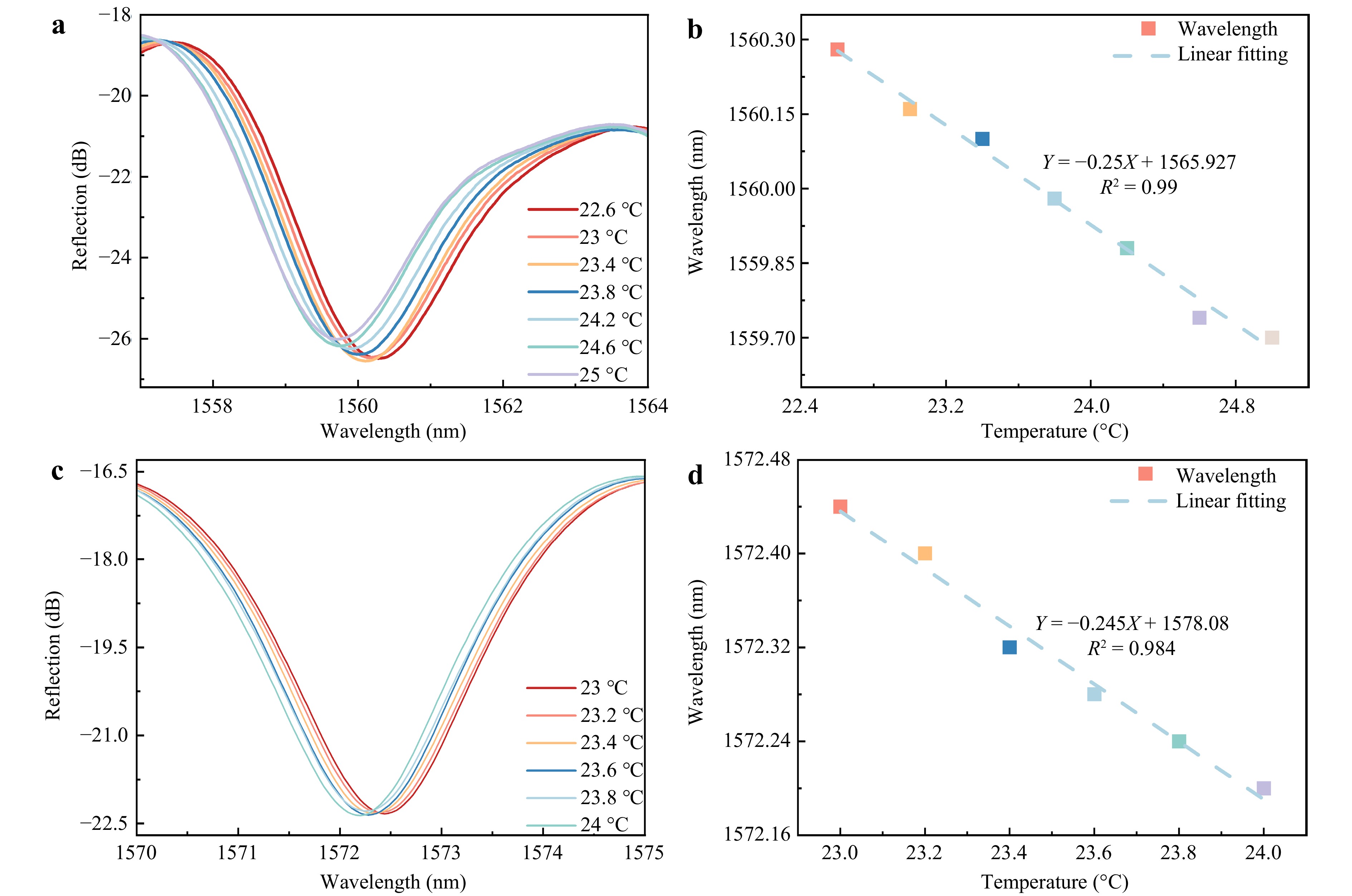
Fig. 9 a, b Reflection spectra and linear wavelength shift fitting of the uncoated MRR under thermal variation. c, d Corresponding thermal spectral shift and linear dependence for the Ag2Te QD-coated MRR.
In comparison, the QD-coated device exhibited a highly similar thermal response over a narrower temperature window around room temperature (23.0℃ to 24.0℃, in 0.2℃ increments, Fig. 9c), yielding a sensitivity of –245 pm·℃−1 with high linearity (R2 = 0.984, Fig. 9d). Such a temperature window was deliberately selected to ensure reliable thermal equilibrium and enable a direct comparison between coated and uncoated devices without introducing additional nonlinear thermal effects while remaining substantially below the glass transition temperature of PETA (103℃). This close agreement, despite the additional hybrid layer, demonstrates that the integration of Ag2Te QDs does not compromise the intrinsic TO response of the polymeric MRR.
The 6–10 nm spherical Ag2Te QDs form discrete nanoscale contact interfaces with the polymer surface rather than a continuous film–substrate contact. According to Hertzian contact mechanics, the contact area between a nanosphere and compliant polymer is confined to the sub-nanometre scale, which significantly limits interfacial shear stress transfer compared with that in conventional thin-film coatings46. In addition, the nanoscale dimensions of QDs enable elastic accommodation of thermally-induced deformation at the particle-polymer interface, providing effective mechanical compliance under temperature variation. Such interface-dominated behaviour in polymer-nanoparticle systems has been shown to suppress stress propagation into the host matrix47,48. Consequently, the effective thermal expansion coefficient used in the model is denoted as $ {\alpha }_{\text{eff}} $ for the uncoated structure and $ \alpha _{\text{eff}}' $ for the coated structure, with $ \alpha _{\text{eff}}'\approx {\alpha }_{\text{eff}} $ in practice, reflecting the stress-decoupling nature of the nanosphere-polymer interface.
-
This study demonstrated a transformative on-chip photonic platform that moves beyond conventional limits, uniquely enabled by two-photon micro-printing. We combined Ag2Te QDs with a PETA-based MRR to achieve high-performance 2D all-optical TO modulation. The unparalleled precision of two-photon micro-printing is critical here, allowing for the direct fabrication of intricate hybrid structures on the fibre end, a capability unattainable by traditional planar methods. This advanced manufacturing approach facilitates the strategic integration of Ag2Te QDs within the polymer MRR, forming a truly hybrid system that introduces broadband absorption, interband resonance, and significantly localised field enhancement. Crucially, the 3D fabrication flexibility offered by two-photon micro-printing enables an innovative 2D pumping strategy based on simultaneous optical excitation along both the MRR waveguide (x-axis) and perpendicular to it via the substrate (y-axis). This synergistic approach, combined with the Ag2Te QD layer’s intrinsic LSPR, which amplifies the local optical field intensity by an excellent 300%, synergistically enhances both the static tuning sensitivity and dynamic modulation efficiency. This groundbreaking approach facilitates low-power actuation and fundamentally overcomes the inherent limitations of conventional TO modulation schemes. Experimental results demonstrated a remarkable 19.77-fold increase in tuning efficiency compared with standard polymer MRRs and a dynamic response limit reaching 100 kHz, substantially surpassing the intrinsic speed limits of conventional TO devices, all testaments to the power of this advanced micro-printing-enabled platform.
-
Ag2Te QDs were synthesised employing a colloidal solution-phase method. Anhydrous silver acetate (99.5%), tellurium powder (200 mesh, 99.99%), 1-octanethiol (OTT, 98%+), oleylamine (OLA, 90%+), tri-n-butylphosphine (TBP, 98%+), tetrachloroethylene (TCE), and 1-octadecene (ODE, 90%) were used without further purification. A TBP–Te precursor was prepared by dissolving Te powder (0.4 mmol, 51.04 mg) in OLA (4 mL) and TBP (5 mL) under continuous stirring for 3 h. Separately, silver acetate (33.4 mg) was mixed with OTT (1.4 mL) and ODE (10 mL) in a three-neck flask, purged with argon, and heated to 130°C until a clear yellow solution formed. At this temperature, 1.8 mL of the TBP-Te precursor was swiftly injected, and the reaction temperature was immediately reduced to 120°C and maintained for 5 min to allow QD nucleation and growth. The reaction mixture was then cooled, precipitated with acetone (1:5 vol.), and centrifuged at 12000 rpm, and the purified Ag2Te QDs were redispersed in TCE for storage and subsequent use.
-
Fabrication of Ag2Te QDs/PETA/SiO2 MRR: An MRR structure was fabricated on the end-face of an MMF using PETA (refractive index n = 1.48) via a 3D two-photon polymerisation system (MicroLight3D uFAB-3D). The system employs a pulsed laser at 532 nm, with a pulse duration of <0.75 ns and repetition rate of 10–13 kHz, as specified by the manufacturer. During fabrication, the printing power was set to 12% and scan speed to 45 μm·s−1, ensuring high structural fidelity and stable voxel formation. The MRR consists of a straight waveguide, racetrack-shaped micro-ring, and reflective cavity, as shown in Fig. 2a. A racetrack-shaped micro-ring was employed to increase the coupling region and enhance the coupling efficiency. The addition of the reflective cavity enables simultaneous input/output from one side, improving the device stability. The straight waveguide has a width of d = 3 μm and height of 5 μm. The reflective cavity features outer radii of R3 = 10 μm and R4 = 12 μm. The racetrack-shaped micro-ring features outer and inner radii of R1 = 19 μm and R2 = 15 μm, respectively, with a coupling length of Lc = 6 μm. The coupling gap between the straight waveguide and racetrack-shaped micro-ring was precisely controlled at 0.3 μm. To functionalize the MRR with QDs, a wet transfer process was employed. First, Ag2Te QDs, stored at low temperature, were uniformly dispersed in a toluene solvent using an ultrasonic cleaner (SKymen JP-020S) for 50 min to eliminate agglomeration. The resulting dispersion was then directly drop-cast and uniformly coated over the entire MRR surface using a micropipette, ensuring conformal coverage across both the micro-ring and waveguide regions. For subsequent optical analysis, the Ag2Te QD coating was treated as an effective medium with an effective refractive index of $ {n}_{\text{eff}}\approx ~4.2 $. This process formed an Ag2Te QDs/PETA/SiO2 hybrid structure.
-
The dimensions of the MRR were evaluated by SEM (Hitachi SU800). Elemental composition analysis was conducted using a Super-X EDS detector integrated into a field-emission scanning electron microscope (FE-SEM). The system offers high spectral resolution with an energy resolution of $ \leqslant $136 eV (Mn-Kα), allowing precise identification and spatial mapping of elemental distributions. XRD patterns were recorded using the Cu-Kα radiation ($ \lambda $ = 1.54056 Å) on an AmartLab XRD system (Rigaku, Japan). The size and morphology of the QDs were characterised by TEM using an FEI Talos F200X G2 instrument operated at an acceleration voltage of 200 kV. The hydrodynamic diameters of the QDs in the colloidal dispersion were determined by DLS using a Malvern particle size analyser. NIR-II fluorescence imaging was performed with a Suzhou NIR-Optics system (China) using an LP1000 filter and exposure time of 200 ms. The UV-VIS-NIR absorption spectra of the QDs were acquired using a HITACHI UH4150 spectrophotometer (Japan). Spectral analysis was conducted using a YOKOGAWA AQ6370D OSA. The 980 nm pump light for excitation was supplied by an FSPSS-974-0300-B. Broadband sources (FSASE-CL-030-B) and a Santec WSL-110 single-wavelength laser were used separately for different measurements. The system was controlled by a Tektronix TDS 2024C oscilloscope for precise dynamic modulation and signal processing.
-
This research was funded by “Guangdong Basic and Applied Basic Research Foundation (Grant No.2026A1515011145)”, Shenzhen Science and Technology Program (Grant No. SGCX20250526142407010), and Shenzhen Key Industry R&D Program (Grant No. ZDCY20250901095708006).
Two-photon micro-printed Ag2Te QD-polymer hybrid photonic platform on fibre end for transformative 2D thermo-optic modulation
- Light: Advanced Manufacturing , Article number: 46 (2026)
- Received: 03 August 2025
- Revised: 26 March 2026
- Accepted: 26 March 2026 Published online: 12 May 2026
doi: https://doi.org/10.37188/lam.2026.046
Abstract: Beyond conventional thermo-optic (TO) devices, this study introduces a hybrid photonic platform integrating a polymer micro-ring resonator (MRR), fabricated via two-photon printing and functionalized with Ag2Te quantum dots (QDs), onto a fibre end. By leveraging advanced two-photon micro-printing, we precisely fabricated complex hybrid MRR structures, thereby facilitating unprecedented on-chip integration and intricate three-dimensional geometries that remain unattainable using traditional methods. The proposed platform utilises an Ag2Te QD-functionalized polymer film, wherein controlled interfacial engineering in conjunction with the intrinsic localised surface plasmon resonance (LSPR) of the QDs amplifies the local optical field by 300% and fundamentally reconfigures photon–thermal–carrier interactions. An innovative two-dimensional (2D) synergistic all-optical modulation strategy is employed, leading to substantial performance improvements, including a 19.77-fold enhancement in tuning sensitivity over standard polymer MRRs and 50-fold improvement in modulation speed, reaching up to 100 kHz, which significantly exceeds those of conventional TO platforms. This compact fibre-integrated architecture, enabled by precision additive manufacturing, delivers a robust, energy-efficient, and high-speed solution for dynamically reconfigurable on-chip TO modulation and represents a transformative step forward for integrated photonic circuits.
Research Summary
2D thermo-optic modulation enabled by Ag2Te QD micro-ring resonator
A novel platform enabling 2D thermo-optic modulation has shown significant promise for optical communication and dynamic optical modulation. Research by Shenzhen Technology University, in collaboration with Hong Kong Polytechnic University, demonstrates how combining Ag2Te quantum dots with a 2D pump modulation strategy improves tuning sensitivity, response speed, and energy efficiency. This breakthrough provides a new approach for developing reconfigurable, low-power optical systems in next-generation communication technologies.
Rights and permissions
Open Access This article is licensed under a Creative Commons Attribution 4.0 International License, which permits use, sharing, adaptation, distribution and reproduction in any medium or format, as long as you give appropriate credit to the original author(s) and the source, provide a link to the Creative Commons license, and indicate if changes were made. The images or other third party material in this article are included in the article′s Creative Commons license, unless indicated otherwise in a credit line to the material. If material is not included in the article′s Creative Commons license and your intended use is not permitted by statutory regulation or exceeds the permitted use, you will need to obtain permission directly from the copyright holder. To view a copy of this license, visit http://creativecommons.org/licenses/by/4.0/.

 DownLoad: