

Special Issue | 20 April 2026
Special Issue on Advanced Optical Manufacturing

It is our distinct privilege to introduce this Special Issue of Light: Advanced Manufacturing (LAM), titled "Advanced Optical Manufacturing". This collection of invited papers and original research originates from the inaugural Light Conference on Advanced Optical Manufacturing, held in Rugao, Jiangsu Province, China, on April 16th–17th, 2024.
The conference served as a pivotal gathering for the global optics community, coinciding with the Grand Opening of the Leading Optics Rugao Factory. By uniting top researchers, industrial practitioners, investors and policy makers, the event provided a platform to address the future of advanced optical manufacturing. The discussions emphasized the necessity of bridging industry and academia to promote technological innovations and the rapid application of high-precision optical products.
Ten papers, authored by researchers from five key world economies in the advanced manufacturing sector, are collected in this issue and they represent a cross-section of the technical advancements presented in Rugao.
Large-Aperture Optics and Astronomical Instrumentation: The collection begins with a focus on the immense challenges of manufacturing and testing mirrors for next-generation astronomical telescopes. Comprehensive reviews examine the manufacturing chains for large-aperture mirrors—exceeding 3.5 meters—from material innovations like silicon carbide to the control of full-spatial-frequency errors. Complementary research explores ground-based imaging interferometry, demonstrating how photonics and machine learning can create cost-effective, high-resolution alternatives to traditional telescope designs.
Freeform Optics: From Design to Automated Production: A major thematic pillar is the rapid advancement of freeform optics, where non-symmetric surfaces require a fundamental rethink of both fabrication and metrology. Authors investigate automated manufacturing processes that utilize effective reference structures to bridge the gap between design and high-volume production. This is supported by new developments in the prototyping of polyhedral freeform prisms and monolithic multi-freeform structures, which are vital for enhancing the performance of sophisticated optoelectronic systems.
Precision Metrology and Calibration: Ensuring sub-nanometer accuracy in making complex optics requires innovative metrology. Research in this issue introduces Bayesian multisensor fusion in deflectometry to overcome historical limitations in absolute positioning. Furthermore, the push toward "Intelligent Manufacturing" is highlighted through new calibration methods for high-speed, on-machine measurements, as well as versatile testing frameworks for aspheres and freeform surfaces.
Coatings and Computational Simulations: The technical scope also covers essential support technologies, including the progress of laser coating techniques to improve surface durability. From a computational perspective, the issue features advancements in ray-tracing efficiency through tree-like data structures, enabling faster and more accurate simulations of multi-sequential optical systems.
Finally, we would like to express our deepest gratitude to the host of the conference, Leading Optics and the Changchun Institute of Optics, Fine Mechanics and Physics (CIOMP, CAS), for their invaluable support. We also thank the authors for their insightful contributions and the reviewers for their commitment to the scientific excellence of LAM.
We hope this Special Issue inspires further global collaborations in the field of optical manufacturing.
This issue is co-edited by
Prof. Wolfgang Osten, University of Stuttgart, Germany
Prof. Rong Su, Shanghai Institute of Optics and Fine Mechanics, CAS, China
Dr. Shuai Ding, Changchun Institute of Optics, Fine Mechanics and Physics, CAS, China
-
Editorial
Preface to the special issue on “advanced optical manufacturing”
-
Article
Creating ground-based telescopes for imaging interferometry: SELF and ELF
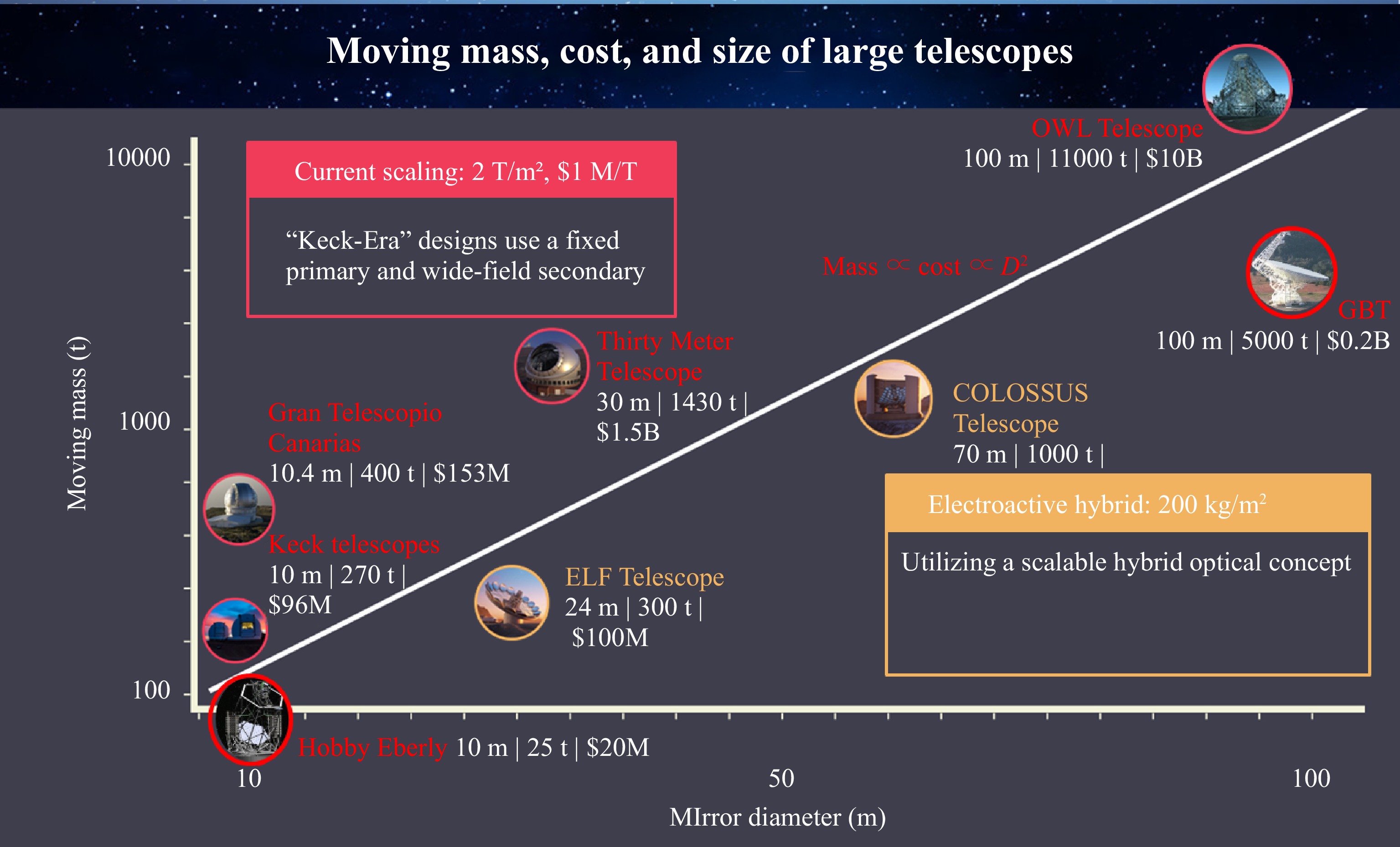 Published , Published online: 10 July 2025 , doi: 10.37188/lam.2025.033The largest ground-based telescopes will be much larger than their space-based counterparts far into the future. Remote sensing problems that can take advantage of active and adaptive wavefront control that correct the incoming atmospherically distorted optical wavefront can benefit from very large ground-based telescopes that have other important advantages. For example, their much lower cost (typically one or two orders of magnitude less) and shorter time-to-completion can be compelling. For optical or IR problems that require high angular resolution and large photometric dynamic range we suggest that techniques that make use of photonics, machine learning, or additive manufacturing may even enable less expensive specialized telescopes that are larger than what astronomers are currently building. The Instituto de Astrofísica de Canarias (IAC) recently began a 5 year program with support from the European Union called the Laboratory for Innovation in Opto-mechanics. Its goal is to show how technology innovations can enable less costly and larger telescopes, in particular, aimed at the problem of finding extrasolar life within a few parsecs of the Sun.
 -
Review
A review of manufacturing technology progress for astronomical telescope mirrors— from material innovation to Full-Spatial-Frequency error control
 Published , Published online: 23 March 2026 , doi: 10.37188/lam.2026.035The relentless pursuit of higher resolution and sensitivity in astronomical observation drives the advancement of telescope mirror manufacturing. This review systematically charts the technological evolution from material innovation to the deterministic control of full-spatial-frequency errors. We analyze the progression of substrate materials—including silicon carbide, beryllium alloys, and advanced glass-ceramics—focusing on their critical thermomechanical properties for extreme environments. The core manufacturing chain is thoroughly examined: ultra-precision diamond turning for initial form generation, grinding processes exploiting brittle-to-ductile transitions, and advanced polishing techniques like magnetorheological finishing and ion beam figuring that achieve nanometer-level accuracy. A central theme is the paradigm shift towards segmented mirrors, which necessitates solving system-level challenges in edge control, co-phasing, and high-consistency batch production. The integration of field-assisted machining and intelligent systems, such as digital twins and robotics, is highlighted as a key enabler for next-generation manufacturing. While significant progress is evident, core challenges persist in stable sub-nanometer finishing, subsurface damage mitigation, and long-term performance under operational extremes. Future development hinges on deeper material-process co-design, fully integrated metrology-manufacturing loops, and sustainable production frameworks. This synthesis provides a comprehensive technical foundation for developing the extreme optical systems required for future discoveries in astrophysics.
 -
Review
Optical manufacturing and testing of large-aperture optical mirrors: a review
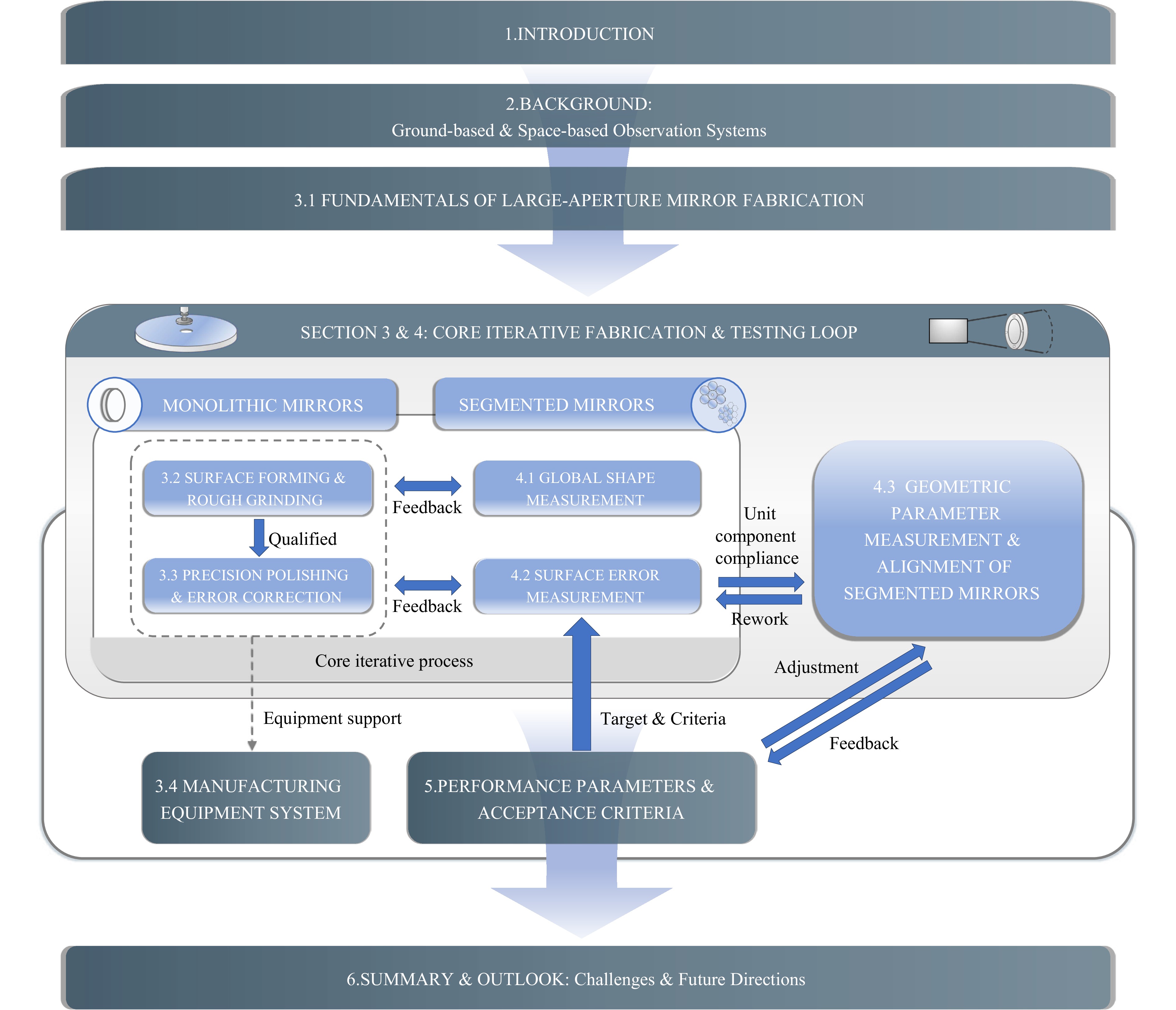 Published , Published online: 22 August 2026 , doi: 10.37188/lam.2026.104Large-aperture telescopes are indispensable tools for astronomical research. Over the past few decades, a host of representative projects have been developed, whose performance relies heavily on the manufacturing and testing technologies for large-aperture mirrors. This paper reviews the state-of-the-art fabrication and testing methods for large optical mirrors and is structured into five parts: application background, classification of manufacturing techniques, overview of metrology technologies, verification and standards, as well as conclusions and future perspectives. Sustained innovation in fabrication and testing lays a solid foundation for technological progress in this field and the implementation of next-generation telescope projects. Key development directions include achieving sub-nanometer-level surface accuracy, boosting large-batch manufacturing efficiency, upgrading metrology equipment and methodologies, and promoting the intelligent and automated integration in fabrication and metrology systems. It is expected that this review will serve as a valuable reference for researchers aiming to gain a full insight into understanding of manufacturing and testing technologies for large-aperture optical components.
 -
Letter to the Editor
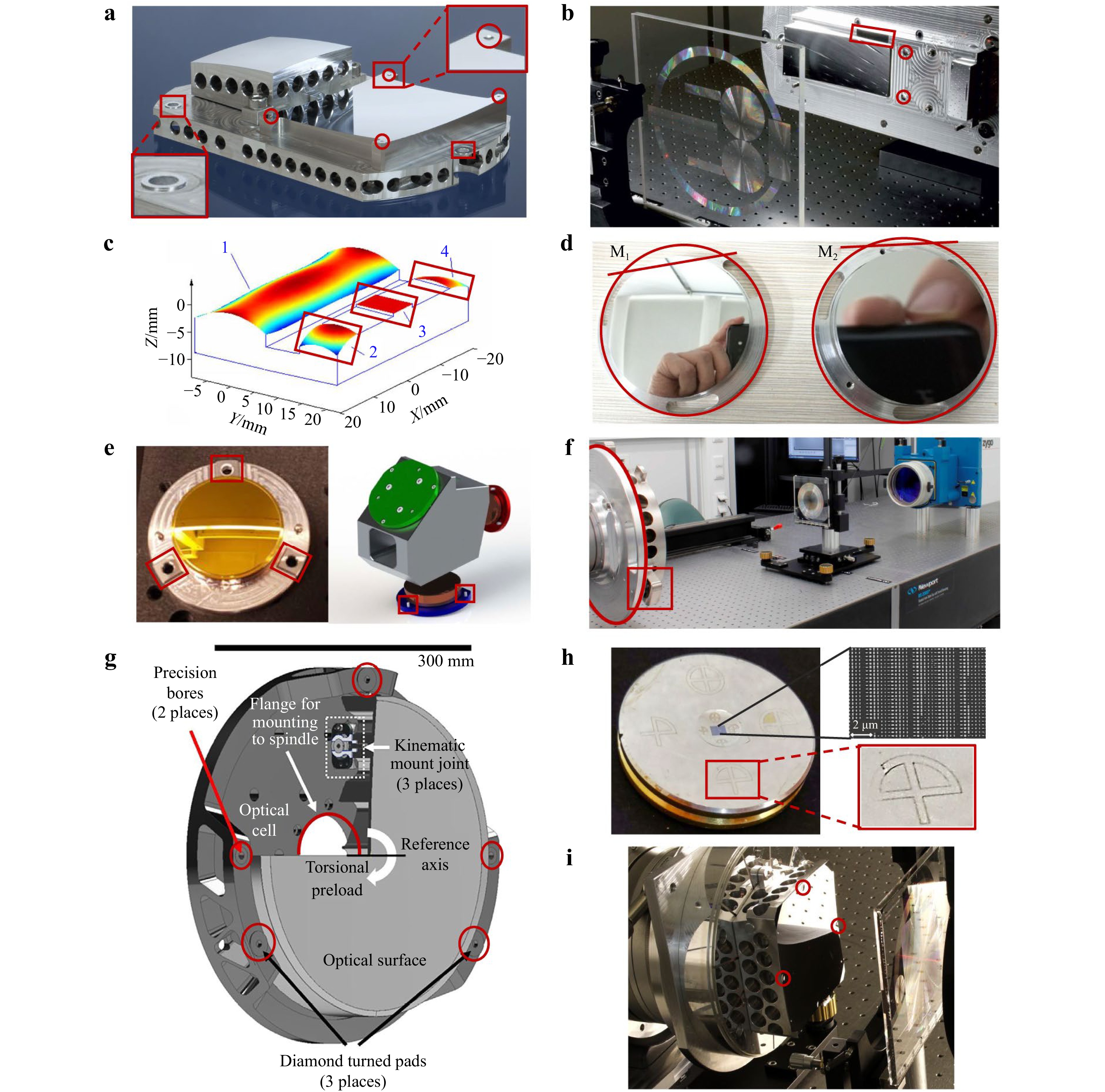
Towards automated manufacturing process chains for freeform optics with effective reference structures
-
Article
A tree-like data structure for sequential and multi-sequential ray tracing
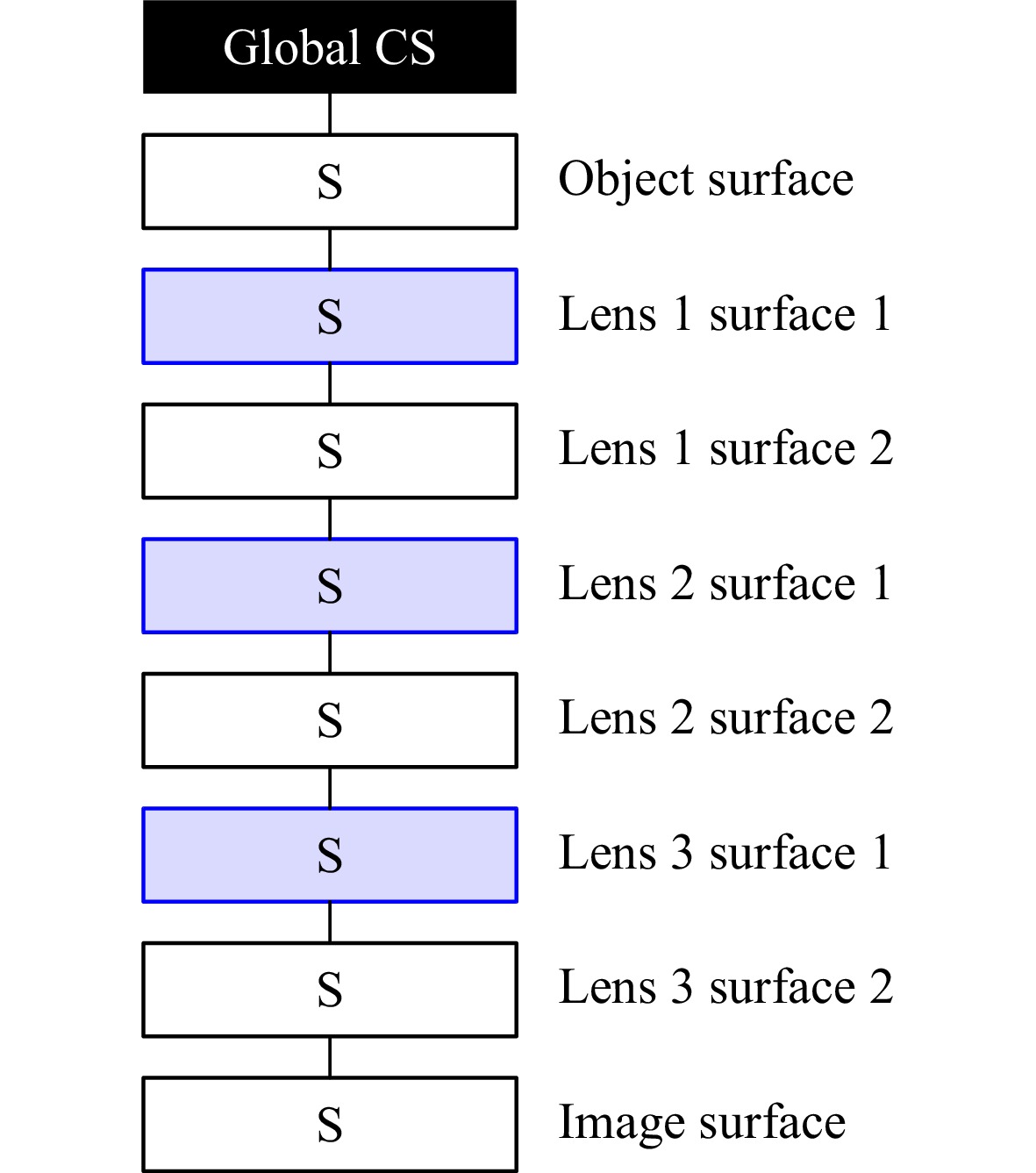 Published , Published online: 09 September 2025 , doi: 10.37188/lam.2025.043In the area of computer-aided optical design most software packages rely on a surface list based data structure. For classical on-axis lenses — such as camera lenses — the list-based data structure is a suitable way for managing lens data. However, for modern high-end optical systems such as off-axis free-form designs, multi-path systems or for accurate tolerance analysis of complex opto-mechanical systems, the list-based approach often reaches its limits. In this paper we present a new tree-like data structure that is able to solve many of the problems that emerge from surface list based data structures.
 -
Article
Towards high-speed on-machine measurement of freeform surfaces: a dynamic error calibration method
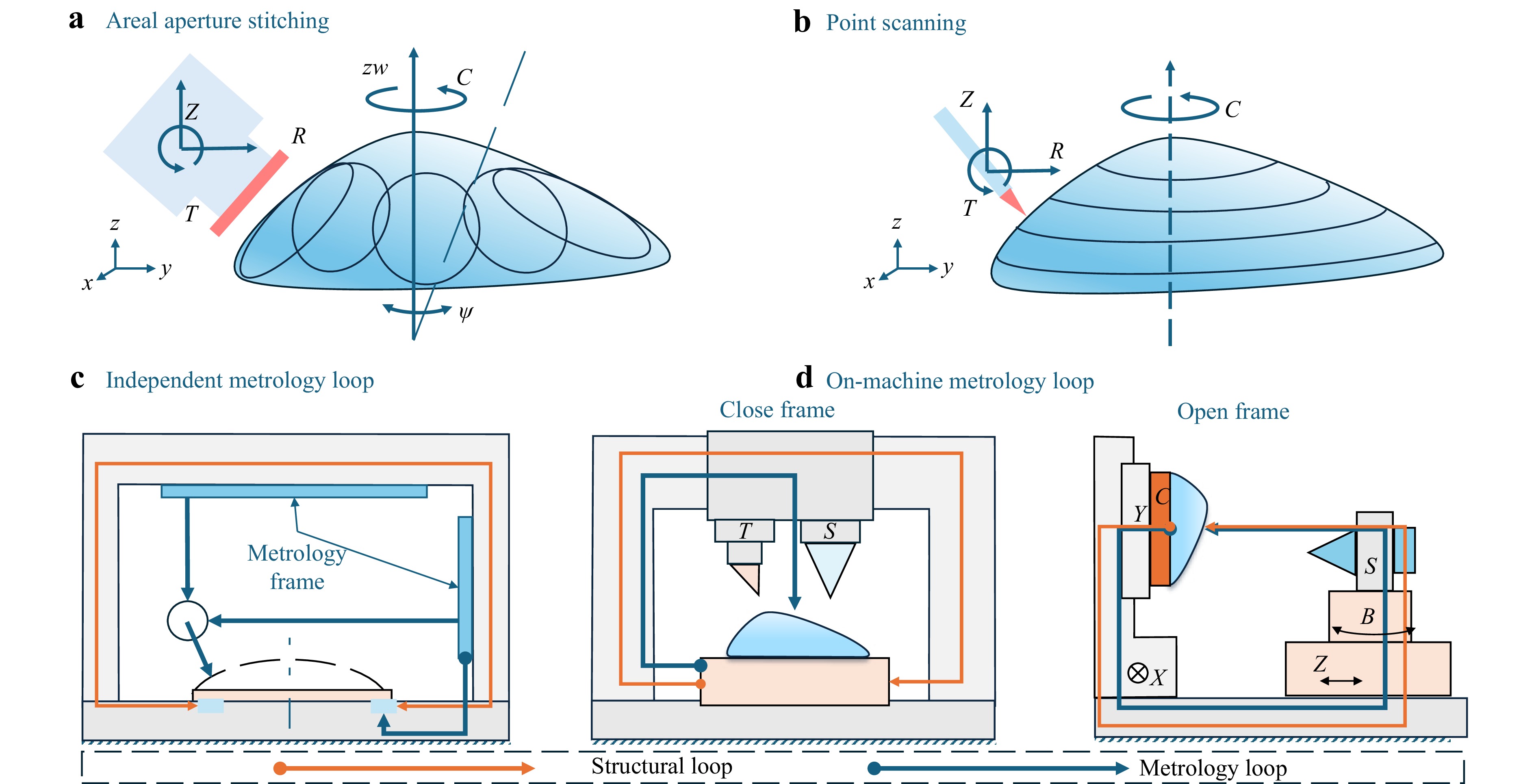 Published , Published online: 11 November 2025 , doi: 10.37188/lam.2025.078Metrology challenges have increasingly been the bottleneck in the manufacturing of freeform optics. On-machine metrology has emerged as a potential solution to bridge the gap between measurement and machining processes. It is widely recognised that metrology systems integrated with manufacturing platforms are affected by the dynamic characteristics of the host platform. However, there is a limited understanding of how these dynamic disturbances contribute to measurement error, primarily due to a lack of comprehensive system-level analysis. This paper aims to depict the relationship between mechanical vibration and measurement error in an on-machine surface measurement (OMSM) system and proposes a method to mitigate this error through system calibration. A dynamic error model of the OMSM system is developed, incorporating feed disturbances, machine dynamics, and the compliance of the measurement units. Our analysis identifies phase lag in the measurement unit as a primary contributor to the distortion of the measured surface figure. To address this issue, a calibration procedure is performed based on system transfer function identification. The proposed calibration method effectively reduces the residual error in high-speed measurements. Experimental results demonstrate a reduction of the peak-to-valley (PV) error from 6 µm to 0.5 µm, and a decrease in the root mean square (RMS) error from 2.3 µm to 20 nm. Using this system, a high-density point cloud of 290,000 points was measured in 6 minutes, successfully meeting the challenges of measuring freeform surfaces on the manufacturing platform with both high accuracy and high efficiency. The proposed calibration method, which compensates for the absence of an independent metrology frame, can be adapted for other similar on-machine systems. This approach offers a cost-effective and time-efficient solution for the rapid prototyping of freeform optical components using integrated surface metrology.
 -
Review
Various technologies for the testing of asphere and freeform optics and their calibration
 Published , Published online: 06 May 2026 , doi: 10.37188/lam.2026.021Metrology is a prerequisite for all advanced fabrication methods. For precision optical systems, optical surfaces require form accuracies down to nanometer level-accross areas with lateral dimensions measuring centimeters to decimeters, or even larger for astronomical instrumentation. This poses a challenge specifically for aspheric and freeform surfaces that scientists have tackled ever since the fabrication technologies allow the production of these, from an optics designer point of view, superior surfaces. In this work, we discuss several state-of-art metrology approaches with a focus on calibration. Specifically, we restrict ourselves to interferometric areal methods that have the potential to acquire a dense 2D surface deviation map within a short data acquisition time of less than a minute.
 -
Article
Deterministic form-position deflectometric measurement of monolithic multi-freeform optical structures via bayesian multisensor fusion
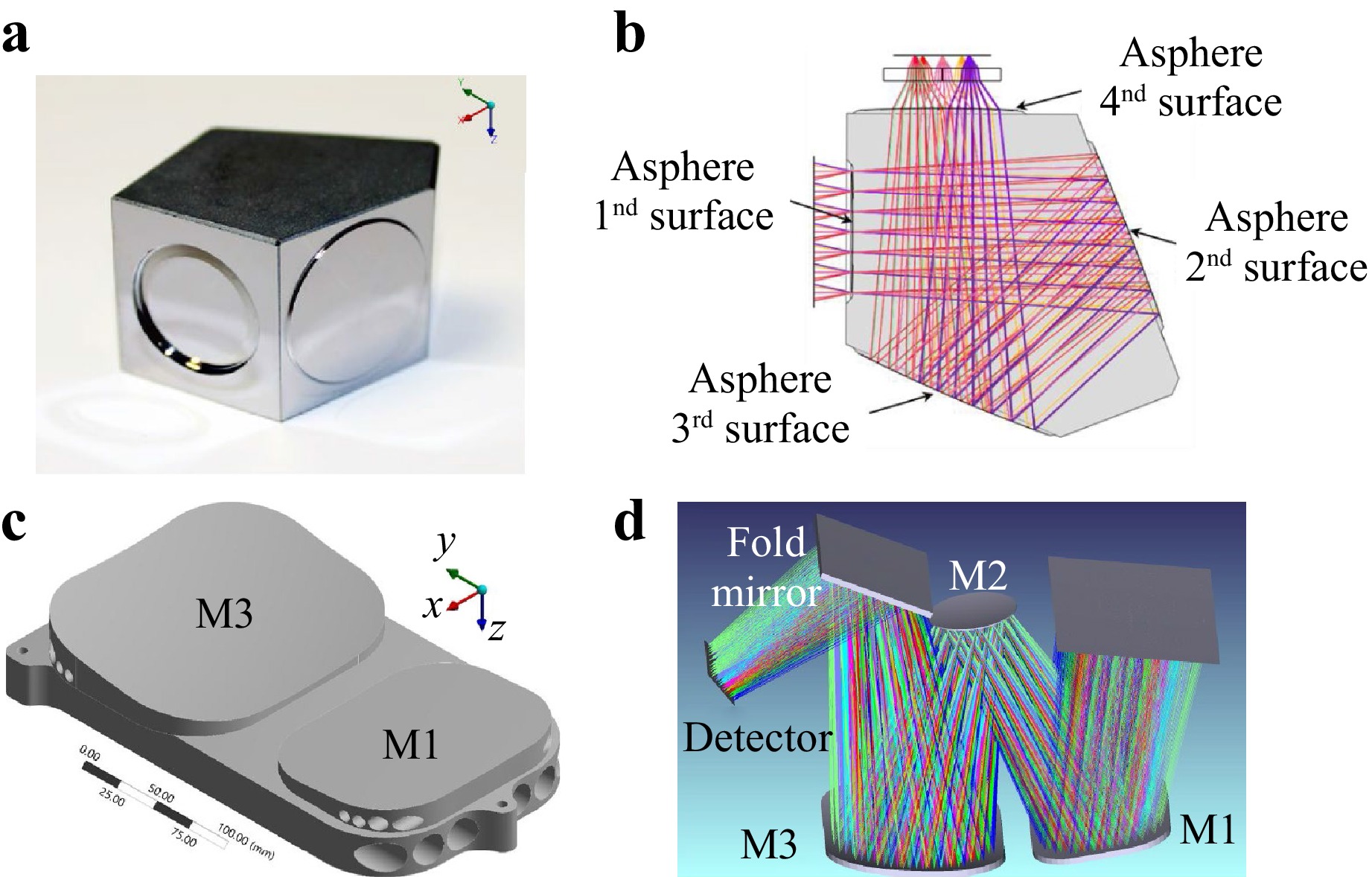 Published , Published online: 11 April 2025 , doi: 10.37188/lam.2025.029Monolithic multi-freeform optical structures play significant roles in advanced optical systems by simplifying system structures and enhancing optoelectronic performance. However, manufacturing and measurement present significant challenges, which require the simultaneous assurance of form quality and relative positioning of multiple functional surfaces. Consequently, a deterministic form-position deflectometric measuring method is proposed based on Bayesian multisensor fusion, which effectively overcomes the inherent limitation of deflectometry in absolute positioning. Calibration priors were marginalised in the measurement model to improve fidelity, and a fully probabilistic measurement framework was proposed to eliminate numerical bias in conventional sequential optimisation approaches. Finally, a geometric-constraint-based registration method was developed to evaluate the form-position quality of freeform surfaces. The experimental results demonstrated the measurement accuracy could achieve a level of one hundred nanometres for surface forms and a few microns for surface positions.
 -
Article
Development of a surface position evaluation method for polyhedral freeform prisms
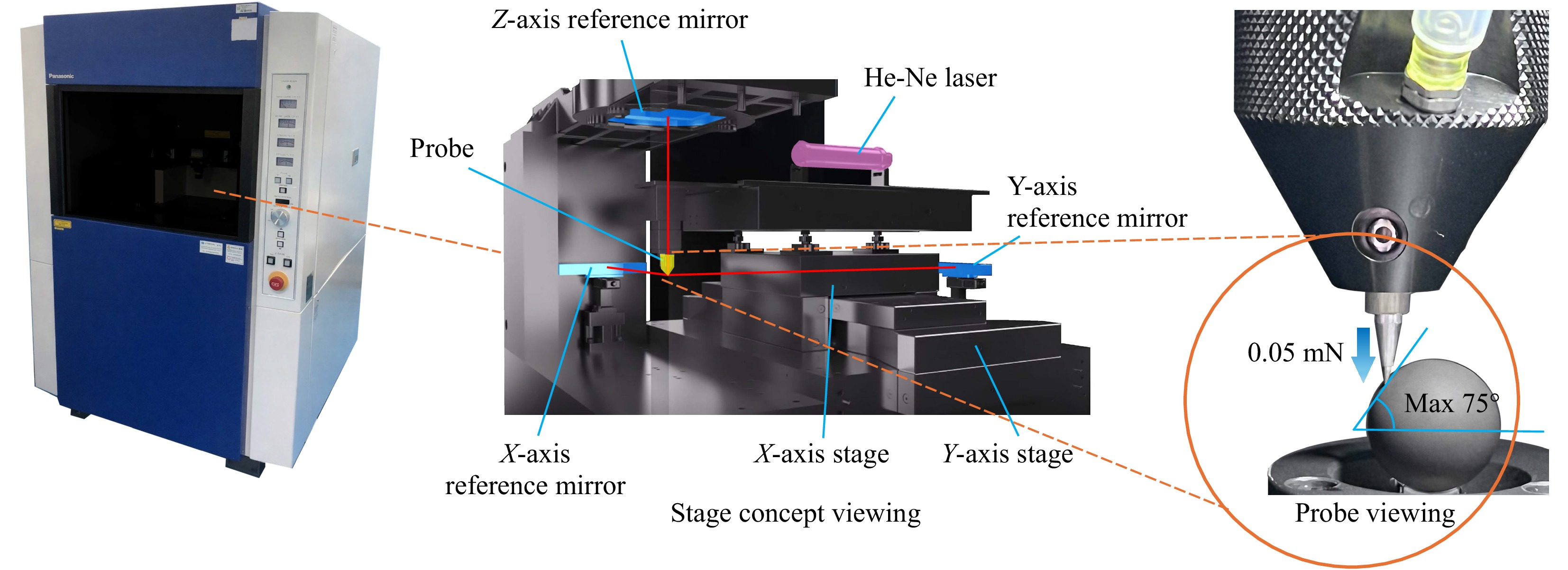 Published , Published online: 03 June 2026 , doi: 10.37188/lam.2026.034With the rapid growth of extended-reality (XR) devices, simultaneously achieving long optical path length and miniaturization has become a central challenge in optical system design. One promising approach is to employ optical designs that utilize multiple internal reflections in a prism to extend the path length within a compact volume. The prisms targeted in this study are polyhedral elements composed of three or more optical surfaces including freeform surfaces, in which two lateral faces are mutually parallel. A representative example is a triangular prism whose optical faces are replaced by freeform surfaces. Because such prisms contain multiple reflecting faces, their inter-surface positional relationships must be formed and maintained with high accuracy; consequently, metrology capable of precise evaluation of face-to-face position is indispensable for production. Since 2002, Panasonic has introduced to the market inter-surface misalignment evaluation of lens surfaces using the ultra-high-accuracy three-dimensional profilometer UA3P, contributing to higher-precision camera modules. Building on that platform, the present work develops a new measurement method that extends the UA3P system to prisms with multiple reflecting faces, enabling spatial registration to be evaluated with an accuracy of 0.2–0.3 µm. The developed system shows strong correlation with existing methods and validated repeatability, demonstrating its suitability for high-precision manufacturing and quality assurance of optical elements, including prisms for XR devices.
 -
Review
Research progress and prospects of laser coating technology
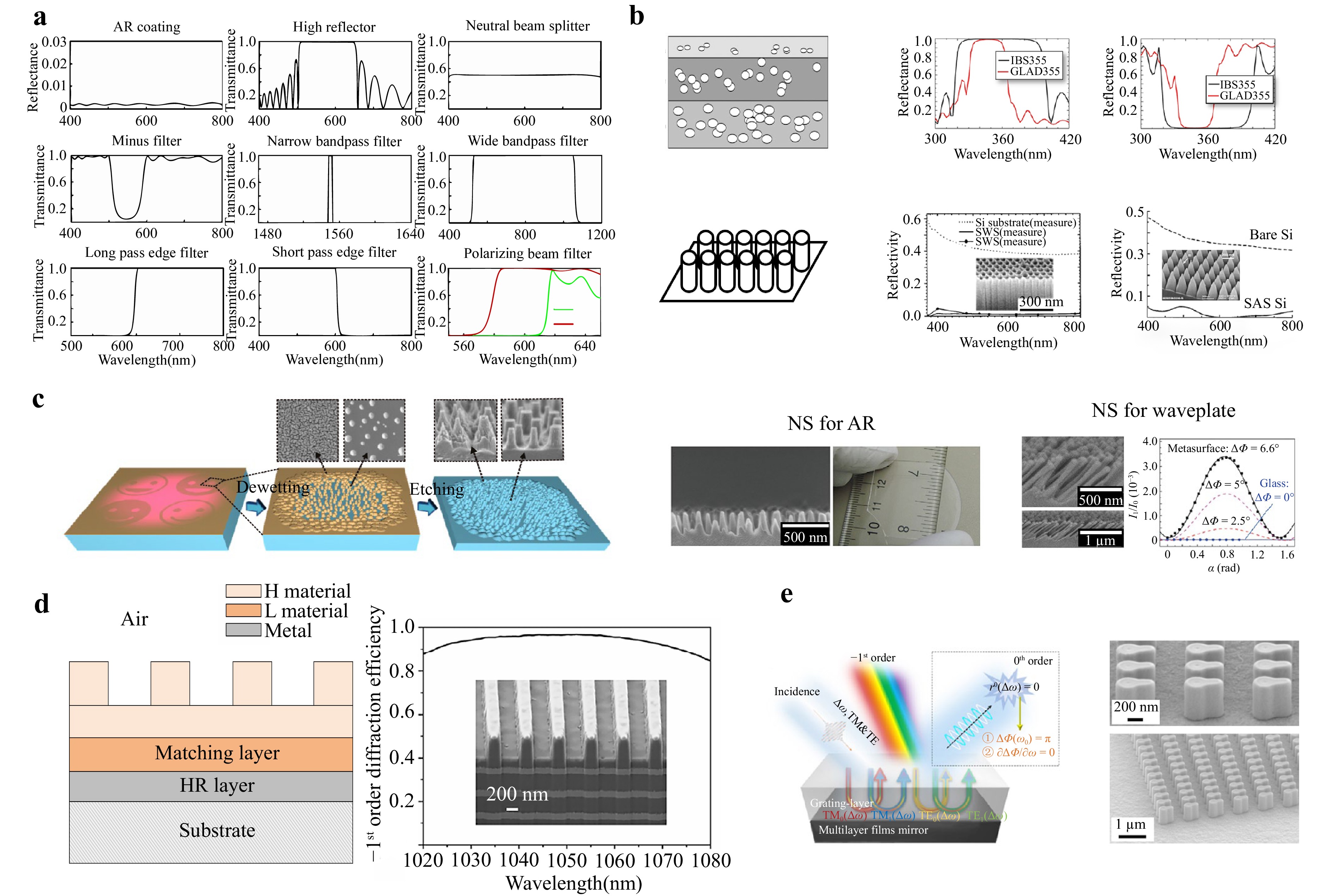 Published , Published online: 12 October 2025 , doi: 10.37188/lam.2025.055High-power laser coatings play a critical role in enabling optical manipulation in various laser applications, including beam alignment and control in high-power laser systems. These coatings rely on multilayers and microstructures, such as antireflective (AR) and highly reflective (HR) coatings, filters, and beam splitters, to enhance their performance. This review focuses on laser coatings used for manipulating optical fields, their principal limitations, and laser-induced damage in high-power applications. The concepts, principles, and progress made in exploring the optical performance and distinctive functions of the optical coatings and optimising the laser resistance through structural optimisation, material engineering, and defect elimination are highlighted. Finally, future directions for improving the design flexibility, fabrication feasibility, advanced detection techniques for high-resolution defect characterisation, and further consideration of minimising the optical loss are discussed to meet the evolving demands of modern high-power laser systems.

Wolfgang Osten
Institute of Applied Optics , University of Stuttgart, Germany
Prof. Wolfgang Osten received the MSc/Diploma in Physics from the Friedrich-Schiller-University Jena in 1979. From 1979 to 1991 he was working at the Academy of Sciences in Berlin in several institutes making investigations in coherent metrology, digital image processing and machine vision. In 1983 he received the PhD degree from the Martin-Luther-University Halle-Wittenberg for his thesis in the field of holographic interferometry. In 1991 he joined the Bremen Institute for Applied Beam Technology (BIAS) to establish and to direct the department Optical 3D-Metrology till 2002. From September 2002 till October 2018 he has been a full professor at the University of Stuttgart and director of the Institute for Applied Optics. From 2006 till 2010 he was the vice rector for research and technology transfer of the Stuttgart University. His research work is focused on new concepts for industrial inspection and metrology by combining modern principles of optical metrology, sensor technology and digital image processing. Special attention is directed to the development of resolution enhanced technologies for the investigation of micro and nano structures. Wolfgang Osten is fellow of OSA, SPIE, EOS, and SEM, and senior member of IEEE. He is a Honorary Professor of the Shenzhen University, China, a Honorary Doctor of the University of Technology of Ilmenau, Germany, the 2011 recipient of the Dennis Gabor Award of the The International Society for Optics and Photonics SPIE, the 2018 recipient of the Rudolf Kingslake Medal of the SPIE, the 2019 recipient of the Chandra Vikram Award of the SPIE, and the 2019 recipient of the Emmeth Leith Medal of the International Society OPTICA.

Rong Su
Shanghai Institute of Optics and Fine Mechanics, Chinese Academy of Sciences, China
Prof. Rong Su is a Professor at the Shanghai Institute of Optics and Fine Mechanics, Chinese Academy of Sciences, where he also serves as Vice Director of the Department of Advanced Optoelectronic Equipment. After earning his Ph.D. in Optical Metrology from the KTH Royal Institute of Technology, he spent six years at the National Physical Laboratory and the University of Nottingham in the UK before returning to Shanghai. Su has a long-standing commitment to the development of ultra-precision optical instruments and technologies, particularly for surface metrology. His expertise includes the design and development of interferometers, interference microscopes, and scattering instruments, as well as physical modeling, system calibration, and uncertainty analysis. His research has yielded significant real-world impact, with many of his outcomes being adopted within the optics and microelectronics industries. He has authored over 60 peer-reviewed publications and holds more than 10 invention patents. In 2021, he was awarded a fellowship from the Chinese Academy of Sciences. Active in the global metrology community, Su serves on the ISO TC213/WG16 committee and is a member of the editorial boards for three scientific journals, including Light: Advanced Manufacturing.

Shuai Ding
Light Publishing Group, Changchun Institute of Optics, Fine Mechanics and Physics, Chinese Academy of Sciences, China
Dr. Shuai Ding is the Deputy Director of Light Publishing Group and serves as Scientific Editor for Light: Science & Applications (LSA), Assistant Editor-in-Chief for Light: Advanced Manufacturing (LAM), and Director of Light Dynography. She received her Bachelor’s degree in Electronic Information Science and Technology from Xiamen University in 2011, and both her Master’s and Ph.D. degrees in Optical Engineering from the University of Chinese Academy of Sciences in 2014 and 2021, respectively. With extensive experience in high-end academic publishing, journal development, and brand strategic planning, Dr. Ding is dedicated to advancing the internationalization of scientific journals and building a world-class knowledge service ecosystem in optics and photonics. She has been recognized with several honors, including the Excellence Award for Editors under the China STM Journals Excellence Action Plan, the Outstanding Young Editor Award from the Chinese Academy of Sciences, the Outstanding Paper Editor Award from the China Association for Science and Technology, and the Outstanding Talent Editor Award from DST of Guangdong Province, etc

 Email
Email RSS
RSS